The Five Elements and Our Pets

The Five Elements and Our Pets

A look at how the Chinese constitutions effect our animals and how we should care for them.

Abstract

In ancient China the medical system developed in a Five Element system. Fire, Earth, Wood, Water and Metal. Within this system the Chinese medicinal masters discovered that each person or animal can be classified into an elemental constitution. The constitution describes not only the personality of the person or animals but is a very accurate indication of weaknesses found in their body with common ailments affecting the specific constitution. For example: A Fire dog is hyperactive, friendly, talkative, loves attention but they very often suffer from anxiety and cardiovascular diseases (a Maltese poodle with a mitral valve deficiency is often a Fire animal).

In this talk the author will explore each elemental constitution to help enable the vet nurse and AHT to identify not only their own, but also the patient’s Constitution. This will help the nurse to design a treatment plan for nursing care to best benefit the individual patient. Knowing your own and the animal’s constitution will also aid in identifying potential health risks and implement individual preventative care.

red fire digital wallpaper

Fire

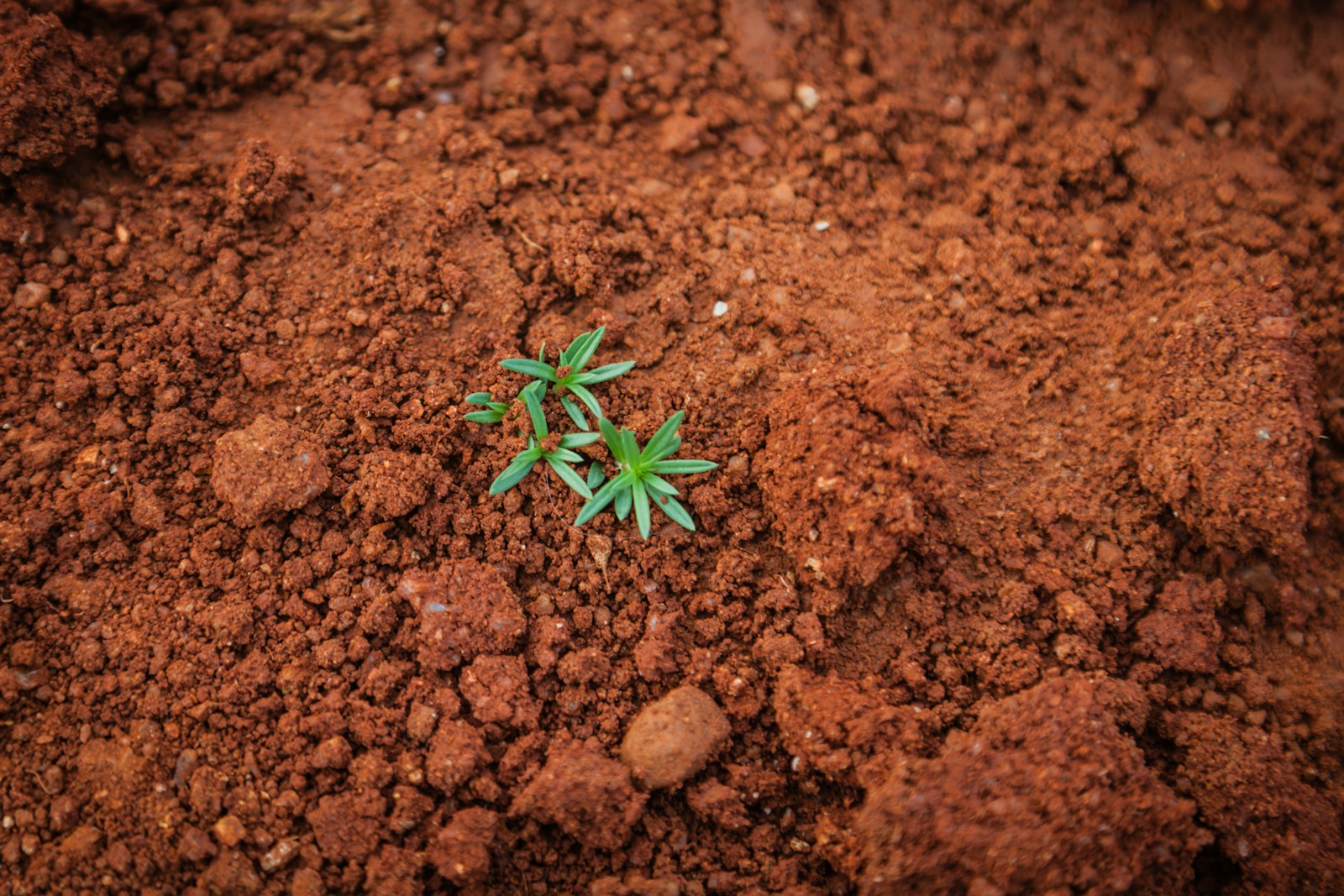
green plant on soil

Earth

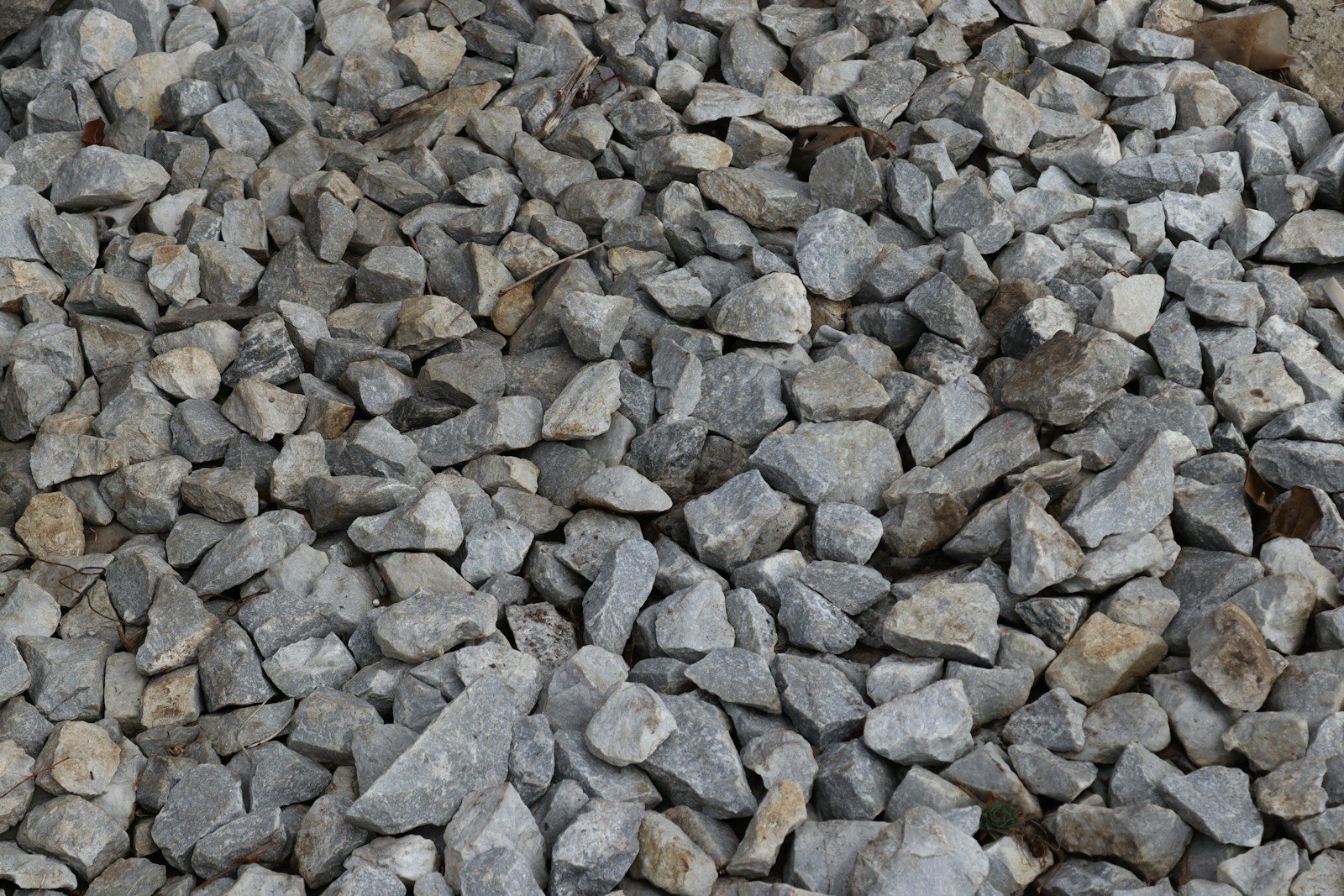
a pile of rocks sitting next to each other

Metal

blue shallow water

Water

green leafed trees middle of forest during daytime

Wood

The five-element theory origin

History

The five-element theory was codified by the ancient Chinese during the Zhou Dynasties (1046BC to 221BC). By keenly observing their world and the natural elements the ancient Chinese were fascinated by the connections and cycles of the seasons. The cold icy winter melts into a windy spring. The green spring turns into a hot rainy summer which in turn dries into a yellow autumn. The observers concluded that that there are 5 elements that drives nature: Wood, Fire, Earth, Metal and Water.

The Five Elements were used to describe and understand all-natural phenomena in a simple to understand language. The Chinese healers described the body and all the diseases in the Five Element theory. The five elements elegantly describe the interaction of all the organ systems within the body.
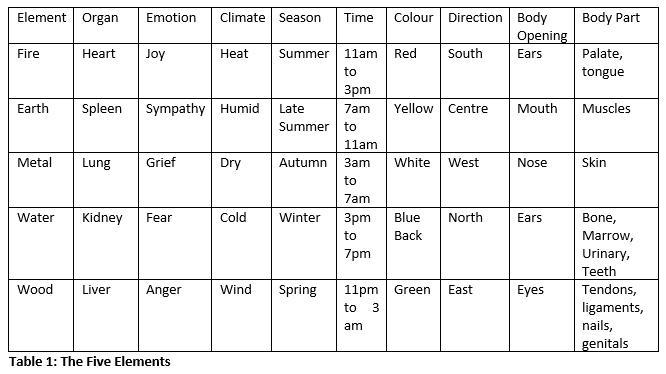
The five-element theory was codified by the ancient Chinese during the Zhou Dynasties (1046BC to 221BC). By keenly observing their world and the natural elements the ancient Chinese were fascinated by the connections and cycles of the seasons. The cold icy winter melts into a windy spring. The green spring turns into a hot rainy summer which in turn dries into a yellow autumn. The observers concluded that that there are 5 elements that drives nature: Wood, Fire, Earth, Metal and Water.

The Five Elements were used to describe and understand all-natural phenomena in a simple to understand language. The Chinese healers described the body and all the diseases in the Five Element theory. The five elements elegantly describe the interaction of all the organ systems within the body.

Cycles

In nature everything is connected, and one element always influence another. In a constructive cycle is known as the CREATION CYCLE. In this cycle the one element promotes the next in a specific sequence. When the fire burn it created earth. The earth rises to make a mountain that contains the metal ores. The metal funnels the water. The water nourished the wood and makes it grow. And the wood is a fuel for the fire. The one element is the “mother” of the sequential “child”. If one of the elements are weak or missing the whole cycle breaks down.

In a CONTROL CYCLE the elements interact with one another to keeps balance within the cycle. In this cycle the “Grandparent” is the controlling element of the “Child”, if the Grandparent is too weak the child will be out of control. The Fire melts the metal. Metal axe chop the wood. The wood breaks the earth open to grow. The earth created a dam wall to stop the flow of water. Water dowses the fire. For example, if the Kidneys (excess water) are failing and not able to control blood pressure the result is congestive heart failure (fire), western doctors treat this condition by eliminating the excess water in the body to help the heart. In TCVM we say we need to sedate the water and tonify fire because we have Water overacting on Fire.

The Constructive and Control cycle of the five elements need to be in perfect balance to promote health and wellbeing in the patient.

The Five Elemental Constitutions

The Five Element theory is used to classify all people and animals into five constitutions. The patient’s dominant constitution is crucial in making the correct diagnoses and prescribe the ideal treatment. As a nurse you can help the patient by understanding its dominant constitution. When you understand the personality of the animal you are working with you will be able to approach handling in treatment in a specific way as to limit stress and fear within the practice. It will help you understand the individual needs are and how to tailor make a nursing strategy to best suite the individual needs. When you have a good understanding of the Five constitutions you will be able to anticipate health problems and side effects to treatments. For example, if an individual animal vomits after breakfast, but not after dinner, by referring to the chart you will see this dis-ease is associated with the earth element of the spleen/pancreas and stomach. I the animal vomits late at night the individual vomits late at night the disease will be associated with wood, Liver or Gallbladder. By being aware of these Elemental symptoms the practitioner can start doing more specific diagnostic tests.

Wood

The Wood constitution is seen as the General of the elements. It is the strong willed, sometimes aggressive dog. Wood types tend to be great athletes because they are determined to succeed once they set their minds to something. These individuals can adapt quickly to their environments because they are smart and quick to react to stimuli. They are quick to form ideas but change their mind quickly. They love a challenge and always strive to succeed. Wood types are often narrow minded and intolerant of different ideas. When a wood becomes unbalanced, aggression is often one of the first symptoms. Wood governs the liver and gall bladder, and these are often affected when the wood become unbalanced.

Wood dogs are the dominant one in the household and often assert dominance towards the rest of the pets. They can become aggressive when protecting their territory or food. He is very disciplined is easily trained if the activity is something they enjoy.  They often struggle with chronic foul-smelling external otitis and red itching eyes. These dogs are prone to suffer from puritis and seizures.

green leafed trees middle of forest during daytime

Personal Characteristics

  • Dominant
  • Aggressive
  • Competitive
  • Confident
  • Fearless
  • Adaptive
  • Intolerant

Physical Characteristics

  • Thin body, either tall or short
  • Big eyes
  • Strong and healthy hooves and tendons
  • Runs like the wind, quick and nimble
  • Good type for racetrack (Horse)
  • Great agility dogs.

The unbalanced wood

  • Aggression
  • Irritability and anger (may bite, strike, kick)
  • Stressed by a change in condition
  • Hoof, ligament and tendon problems
  • Liver and gall bladder problems
  • Eye problems
  • Seizures
  • Allergies
  • Hypertension
  • Stroke
  • Neurosis

Prevention and Therapy

The Wood constitution is seen as the General of the elements. It is the strong willed, sometimes aggressive dog. Wood types tend to be great athletes because they are determined to succeed once they set their minds to something. These individuals can adapt quickly to their environments because they are smart and quick to react to stimuli. They are quick to form ideas but change their mind quickly. They love a challenge and always strive to succeed. Wood types are often narrow minded and intolerant of different ideas. When a wood becomes unbalanced, aggression is often one of the first symptoms. Wood governs the liver and gall bladder, and these are often affected when the wood become unbalanced.

Wood dogs are the dominant one in the household and often assert dominance towards the rest of the pets. They can become aggressive when protecting their territory or food. He is very disciplined is easily trained if the activity is something they enjoy.  They often struggle with chronic foul-smelling external otitis and red itching eyes. These dogs are prone to suffer from puritis and seizures.

Fire

The fire animal is the happy, attention seeking animal. They are friendly and enjoy being the centre of attention. In ancient China the Fire constitution is the Emperor that are skilled at influencing and inspire everyone. They fit well into a busy happy household and tend to get along with all the members of the family. The fire dogs are loud and are often experienced as excessively noisy. Fire people love drama and often overreactive to situations. They can easily find joy and are not very concerned about material things. They often loose interest fast and may be seen as AHD. Fire people and animal loves company and often becomes depressed when alone. Fi When the fire animal is unbalanced, they get snappy and will easily kick or bite. They tend to suffer from cardiovascular diseases.

red fire digital wallpaper

Personal Characteristics

  • Easily excited
  • Extroverted
  • Friendly and Playful
  • Sensitive
  • Difficult to calm down
  • Noisy and talkative
  • Enjoy attention and physical contact

Physical Characteristics

  • Strong body
  • Small head
  • Small, but bright, shining eyes
  • Red faces (humans)
  • Prominent blood vessels
  • Good for short distance racing (Horses)
  • Agility and performance dogs

The unbalanced wood

  • Hyperactive
  • Highly strung
  • Insanity
  • Anxiety
  • Cardiovascular disease
  • Ulcers on tongue
  • Stroke
  • Sudden death

Prevention and Therapy

The Fire animals are often very happy to come int the vet clinic and be examined, but as soon as they feel pain or fear they will snap very quickly. As the fire animal can easily be distracted the staff should use tactics of distraction and attention to ease the hospital procedures. When the animal is admitted to hospital the nursing staff should keep in mind, they are very social and will do better when given enough attention and love. During prolonged hospital stays it is important to have the family visit often.
Fire is a yang element and it often causes an excess heat in the body by consuming Yin. Heart tonics are essential to keep the cardiovascular healthy. Fire people and animals should not be living in hot environments.
Diet therapies include: Pork heart, fish, brown rice, wheat and vegetables such as spinach, broccoli, celery and mushrooms. Salt should be avoided in the diet.

Fire animals loves to be touched and stroked and they respond very well to acupressure and Tui-Na. SP6, HT7, CV12, BL15.

Earth

Our earth constitution is the Mother. Think of a vegetable garden; calm, grounded and nurturing. She keeps everyone happy and healthy without complaining. She loved to be needed and is always ready to help in any way. This animal is the dream patient. They are extremely easy to work with. Earth are very kind and patient, they will tolerate severe pain and discomfort without complaining. They are the nurturers, the mothers.
When an earth animal is unbalanced or endures severe physical and emotional stress, they will develop g.i.t problems like vomiting or diarrhoea. These animals are ideal to use in training situations or to work with people.

green plant on soil

Personal Characteristics

  • Laid back
  • Easy going
  • Friendly
  • Sweet
  • Slow moving
  • Easily satisfied
  • Humble and kind
  • Tolerant

Physical Characteristics

  • Short but sturdy
  • Prominent musculature
  • Bid head
  • Brown hair coat
  • Thick lips and a big nose

The unbalanced wood

  • Excessively worry
  • Obesity
  • Muscle Atrophy
  • Weakness of limbs
  • Anorexia
  • Vomiting
  • Diarrhoea
  • Abdominal pain/colic
  • Constipation
  • Gum or lip problems
  • Oedema
  • Chronic Haemorrhage
  • Rectal or uterine prolapse

Prevention and Therapy

When treating an earthy animal, it is important to remember that they do not react to pain as quickly as the other types, for this reason extra care should be taken to minimise pain and discomfort because even though they do not react they still feel the pain. When dosing medicine and herbs be careful not to give to use drugs that will cause digestive upsets. If these drugs cannot be avoided care should be taken to limit the g.i.t side effects. For example, earthy type animals should be placed on pro-biotics for longer periods when antibiotics are given. Also, in animals with musculoskeletal injury the muscle tonus should be carefully monitored as muscle atrophy are quick to develop in earth animals. Physiotherapy to strengthen muscled should be used early on in disease and recovery.

Food easily upset the unbalanced earth animal. Keep nutrition easy and avoid food high in carbohydrates. Spicy herbs will benefit the earth animal. Recommended food includes offal, lamb, chicken, ginger and sweet potato.

Earth animals loves acupressure and Tui-na. They will lie down to be treated for hours. Useful points include PC6, ST36, CV, SP6, Jian Ya.

Metal

The Metal is the knight in armour. He is smart and hardworking, with good foresight and sagacity. He is able to critically and calmly assess a situation and work towards the best possible outcome. They are smart and brave. They like rules and routine and is happy to please the owners. Metals are often the natural leaders in the group. When a Metal becomes unbalanced the immune system is often affected with skin conditions and Large Intestinal upsets. Metal animals are great in high stress competition or work environments, they work hard to please in a methodical and predictable manner. They make excellent dressage horses or security dogs.

a pile of rocks sitting next to each other

Personal Characteristics

  • Aloof
  • Independent
  • Ordered, organised
  • Quiet
  • Confident
  • Consistent

Physical Characteristics

  • Broad forehead
  • Bid and wide nose
  • Broad chest
  • Good hair coat (often silver)

The unbalanced wood

  • Excessive sadness or grief
  • Nasal congestion and discharge
  • Upper airway infections
  • Cough, heaves, COPD
  • Constipation

Prevention and Therapy

Metal animals loves rules and routine. A veterinary visit or hospital stay can easily upset them even though they will be able to cope well with the added stress and not show any signs of being out of sorts, the period of stress often manifests as a skin condition or respiratory disease son after. When hospitalising a metal animal for a prolonged period of time the nurse and veterinarian should monitor the respiratory system carefully for signs of pneumonia. In a chronic stressful environment these animals tend to develop asthma of skin allergies. When a metal loses a companion, they may show a prolonged period of grief if not supported emotionally. This often manifests in respiratory or skin cancers.

Recommended food includes eggs, duck, barley, tofu and rice.

Tui-na to strengthen the lungs are of great benefit to these animals, e=it can be taught to the owner to do regularly at home. Although they do not love being touched or massage, they will allow it if they are approached in a predictable manner. Acupressure on LU1, BL3 CV22 and Ding Chuang are of great benefit to these animals.

Water

The water constitution is seen as the philosopher or observer. They have a keen sense of detail and analyses. They like to stand back and analyse a situation before engaging They think deeply before acting and are not known for risk taking. They prefer to run and hide from danger and are the fear biters or kickers. When the Water animal becomes unbalanced, they often develop diseases in the Kidney organ system. This includes renal failure, cystitis, urinary calculi, incontinence, and bone diseases. Stallions or breeding dogs should never be a Water constitution as they are prone to infertility.

Because water animals tend to be extra careful, they often have a log lifespan.

blue shallow water

Personal Characteristics

  • Quiet
  • Timid
  • Introverted
  • Shy
  • Solitary
  • Hesitant
  • Fearful
  • Observant

Physical Characteristics

  • Thin, middle sized body
  • Black hair on the head
  • Deep big eyes and ears
  • Cold intolerant- prefers warm locations

The unbalanced wood

  • Total withdrawal
  • Fear
  • Kidney or bladder problems
  • Arthritis
  • Disc disease
  • Premature aging
  • Infertility
  • Back pain

Prevention and Therapy

The water animals should always be approached in a calm and delicate way. They will bite or kicked when feeling cornered or when expecting pain. In a clinic or hospital setting extra care should be taken when working with these animals to avoid injury or worse an escapee. Time should be taken to win over the confidence of the animal and if it is not possible, a muzzle should be used even if the Water animal seems calm. Water animals react in two ways to fear: Fight or freeze. This is always followed by flight. Often these animals are easier to handle with the help of the owner, but care should still be taken as they will fear bite their owner as well. Short periods of stress and fear will result in cystitis or acute renal failure. Chronic stress and fear cause incontinence, chronic renal failure or urinary calculi.
When selecting drugs or herbs care should be taken not to use medication with severe urinary or renal side effects.

Recommended foods include kidney, eggs, duck, mussels, sweet potato and black beans.
Usually these animals are too scared to allow a stranger to touch or massage them. If a calm and peaceful approach is taken, they will allow light striking along the Bladder meridian. Acupressure at An Shen and PC9 and KID1 will have a sedative effect and will help the animal to be less fearful.

How do I apply this to practice?

In life there is a delegate balance between these Elemental Constitutions. It interplays in our homes between the people and between the animals. When a person picks an animal as a pet or partner in a sporting discipline special care should be taken to select an animal with a constitution that compliments the owner and fits the purpose.

For example, when you need a horse for dressage a Fire constitution might be to lively and unpredictable, a Wood or Metal horse is better suitable for this discipline. Fire horses do make excellent racehorses.  An Earthy dog will be to placid for extreme competition like agility, a Water dog will lack in confidence.

The owner and animal interactions are of equal importance. A Water person might find a Wood of Fire animal to overbearing. Since Metal can channel Water, a Metal horse will work well with a Water person. Metal animals are predictable and follow the rules, this makes the Water person feel more secure as it lowers the risk of something unpredictable happen.

A Wood person might be too controlling for a Water or Fire pet which will cause conflict in the household. An Earth dog is excellent in a household with children or other pets as they are easy going and interact will with all the other constitutions. They may be too laid back for a Fire person who needs some excitement and energy around them.  Always take into account the different interactions within the constructive and destructive cycles.

As a nurse, if you are able to pin the correct constitutions on your patients you will be able to approach your patient in a way that will make the animal feel at ease and more cooperative.

Earth constitutions are generally drawn to nursing and caretaking professions. They tend to be loving and caring with generous amounts of patience (i.e. the Mother). This is excellent for patient care but might be frustrating for the Wood or Metal boss. The lack of attention to detail and timeous completion of task might make the Metal person feel the work is not done in an efficient way. In a clinic the different constitutions need to be balanced and interplay in the most constructive way. By understanding the different constitutions that are working with you, you will be able to understand way some people act the way they do and how to approach your colleagues in a more efficient way.

This article is just a short overview on hoe Traditional Chinese Veterinary Medicine and the Five elements can be an invaluable tool in the care for our patients. For more info on how you can learn more please visit www.tcvm.com .

Book an APPOINTMENT today!


Please email us at [email protected]

Our experienced team of veterinarians is here to help your pet feel their best.

(Diagnoses and treatment advice will not be given on email of WhatsApp)
Testimonials

From Our Visitors

Nulla quis lorem ut libero malesuada feugiat. Curabitur arcu erat, accumsan id imperdiet et, porttitor at sem. Vivamus magna justo, lacinia eget consectetur sed, convallis at tellus. Quisque velit nisi, pretium ut lacinia in, elementum id enim. Vivamus magna justo, lacinia eget consectetur sed, convallis at tellus. Mauris blandit eli
Champ

Nulla quis lorem ut libero malesuada feugiat. Curabitur arcu erat, accumsan id imperdiet et, porttitor at sem. Vivamus magna justo, lacinia eget consectetur sed, convallis at tellus. Quisque velit nisi, pretium ut lacinia in, elementum id enim. Vivamus magna justo, lacinia eget consectetur sed, convallis at tellus. Mauris blandit eli
Winnie

Fresh Food vs. Dry Kibble: Pros and Cons of Feeding Your Dog

Fresh Food vs. Dry Kibble: Pros and Cons of Feeding Your Dog

Fresh Food vs. Dry Kibble: Pros and Cons of Feeding Your Dog

When it comes to feeding your dog, the choice between fresh food and dry kibble is one that many pet owners face. Both options have their benefits and drawbacks, and understanding these can help you make the best decision for your furry friend. Below, we’ll explore the pros and cons of feeding your dog fresh food versus dry kibble.

person holding yellow and white ice cream cone

Fresh Food: The Pros and Cons


Pros of Fresh Food

  1. Nutritional Quality
    Fresh food, often referred to as a raw or homemade diet, typically contains higher-quality ingredients than commercial dry kibble. These diets often include whole meats, vegetables, and grains, providing your dog with a more natural and nutrient-rich diet.

  2. Fewer Fillers and Additives
    Fresh food diets are usually free from the fillers, artificial preservatives, and additives commonly found in dry kibble. This means your dog is getting more of what they need and less of what they don’t.

  3. Improved Digestion
    Many dogs experience improved digestion on a fresh food diet. The natural ingredients are often easier for dogs to digest, leading to healthier stools, less gas, and fewer digestive issues.

  4. Better Skin and Coat Health
    The high-quality proteins and essential fatty acids found in fresh food can lead to a shinier coat and healthier skin. Dogs on fresh food diets often have fewer issues with dry skin and shedding.

  5. Weight Management
    Fresh food diets can be more tailored to your dog’s specific needs, allowing for better control over their weight. Since fresh food is often more satiating, it may help reduce overeating and weight gain.


Cons of Fresh Food

  1. Cost
    Fresh food diets can be significantly more expensive than dry kibble. The cost of purchasing high-quality ingredients or pre-prepared fresh food meals can add up quickly, making it less accessible for some pet owners.

  2. Time and Effort
    Preparing fresh food for your dog requires time and effort. If you’re making the meals yourself, you’ll need to plan, shop, and cook regularly. Even purchasing pre-prepared fresh meals requires more effort than simply scooping kibble from a bag.

  3. Nutritional Imbalance
    Unless carefully formulated, fresh food diets can lead to nutritional imbalances. It’s crucial to ensure your dog is getting all the vitamins, minerals, and nutrients they need, which often requires consultation with a veterinary nutritionist.

  4. Storage and Freshness
    Fresh food needs to be stored properly to prevent spoilage. This usually means refrigerating or freezing meals, which can be inconvenient and requires extra space.

  5. Risk of Contamination
    Fresh food, especially raw diets, carries a higher risk of bacterial contamination (e.g., Salmonella or E. coli), which can pose health risks to both your dog and your family if not handled correctly.

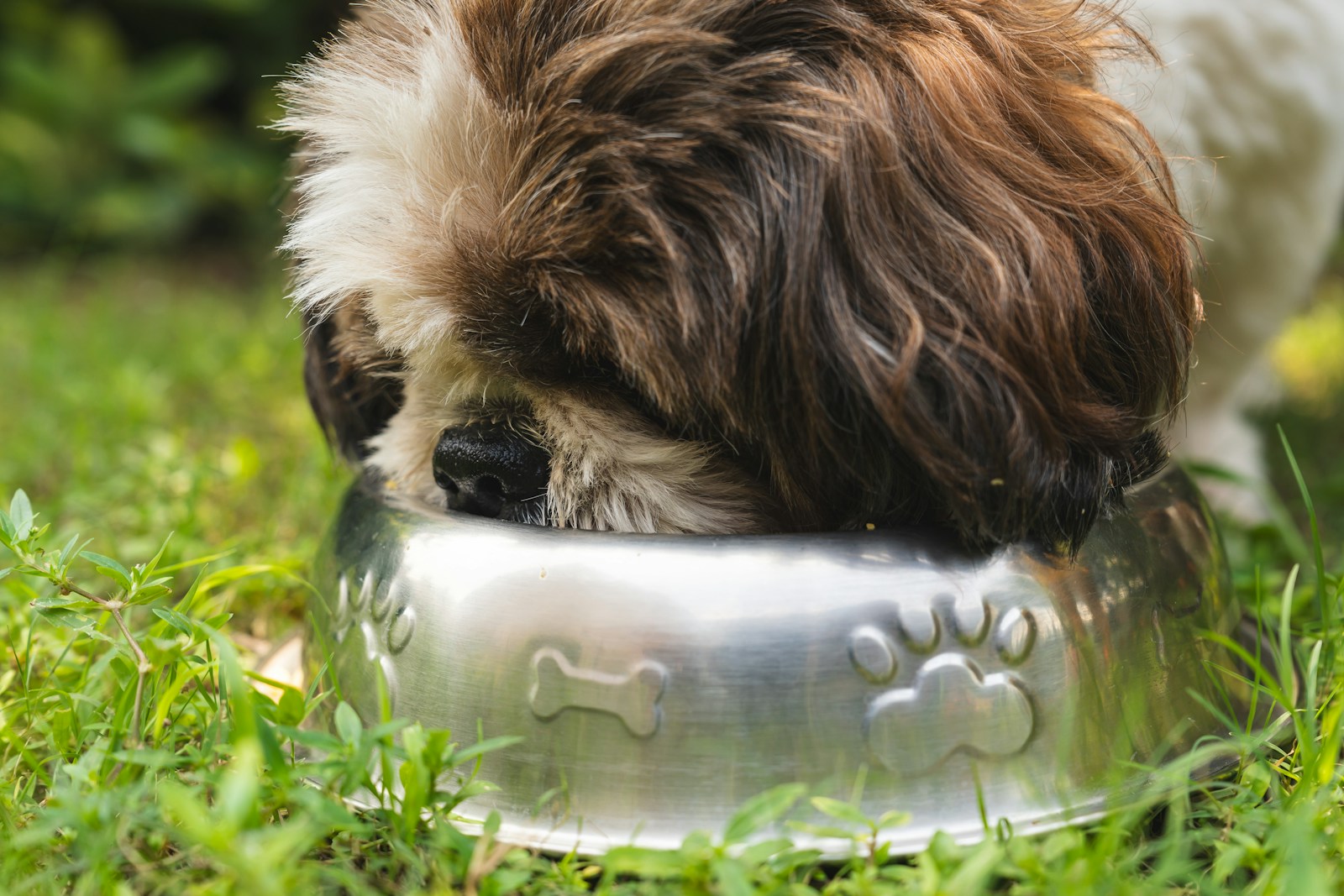
a brown and white dog eating out of a metal bowl

Dry Kibble: The Pros and Cons


Pros of Dry Kibble

  1. Convenience
    Dry kibble is incredibly convenient. It’s easy to store, doesn’t require refrigeration, and can be left out for dogs to graze on throughout the day. It’s a practical choice for busy pet owners.

  2. Cost-Effective
    Dry kibble is generally more affordable than fresh food, making it a budget-friendly option for many pet owners. It’s available in a wide range of price points, so you can find something that fits your budget.

  3. Nutritional Balance
    Most commercial kibbles are formulated to meet the complete nutritional needs of dogs, ensuring they get the right balance of proteins, fats, vitamins, and minerals. This makes it easier to provide a balanced diet without needing to supplement.

  4. Dental Health
    Some kibble brands are designed to help clean your dog’s teeth as they chew, reducing plaque and tartar buildup. While not a replacement for regular dental care, it can be a helpful addition.

  5. Long Shelf Life
    Dry kibble has a long shelf life, making it easy to buy in bulk and store for extended periods. This is particularly beneficial for households with multiple dogs or those who prefer to stock up.


Cons of Dry Kibble

  1. Lower Nutritional Quality
    While kibble is nutritionally balanced, it often contains lower-quality ingredients compared to fresh food. Many brands include fillers, by-products, and artificial additives that may not be as beneficial for your dog’s health.

  2. Digestive Issues
    Some dogs may have difficulty digesting dry kibble, leading to issues like bloating, gas, or irregular stools. The lack of moisture in kibble can also contribute to dehydration, especially in dogs that don’t drink enough water.

  3. Less Palatable
    Kibble is generally less appetizing than fresh food. Some dogs may be picky eaters and refuse to eat kibble, leading to mealtime battles and potential nutritional deficiencies.

  4. Potential Allergies
    Some dogs may be allergic or sensitive to certain ingredients commonly found in kibble, such as grains or certain proteins. This can lead to skin issues, itching, and other allergic reactions.

  5. Overeating and Obesity
    The convenience of kibble can sometimes lead to overfeeding, especially if you’re free-feeding your dog. This can contribute to obesity and related health issues if not carefully managed.

Choosing between fresh food and dry kibble ultimately depends on your dog’s specific needs, your lifestyle, and your budget. Fresh food offers a more natural, nutrient-rich diet but comes with higher costs and more effort. Dry kibble is convenient, cost-effective, and nutritionally balanced but may contain lower-quality ingredients. At AnimalQi Veterinary Clinic, we’re here to help you make the best decision for your dog’s health. If you have any questions or need guidance, don’t hesitate to reach out to our team. Your dog’s well-being is our top priority!

Book an APPOINTMENT today!


Please email us at [email protected]

Our experienced team of veterinarians is here to help your pet feel their best.

(Diagnoses and treatment advice will not be given on email of WhatsApp)
Testimonials

From Our Visitors

Nulla quis lorem ut libero malesuada feugiat. Curabitur arcu erat, accumsan id imperdiet et, porttitor at sem. Vivamus magna justo, lacinia eget consectetur sed, convallis at tellus. Quisque velit nisi, pretium ut lacinia in, elementum id enim. Vivamus magna justo, lacinia eget consectetur sed, convallis at tellus. Mauris blandit eli
Champ

Nulla quis lorem ut libero malesuada feugiat. Curabitur arcu erat, accumsan id imperdiet et, porttitor at sem. Vivamus magna justo, lacinia eget consectetur sed, convallis at tellus. Quisque velit nisi, pretium ut lacinia in, elementum id enim. Vivamus magna justo, lacinia eget consectetur sed, convallis at tellus. Mauris blandit eli
Winnie

Itchy Ears and Beyond: Malassezia Otitis in Dogs

Itchy Ears and Beyond: Malassezia Otitis in Dogs

Itchy Ears and Beyond: Malassezia Otitis in Dogs


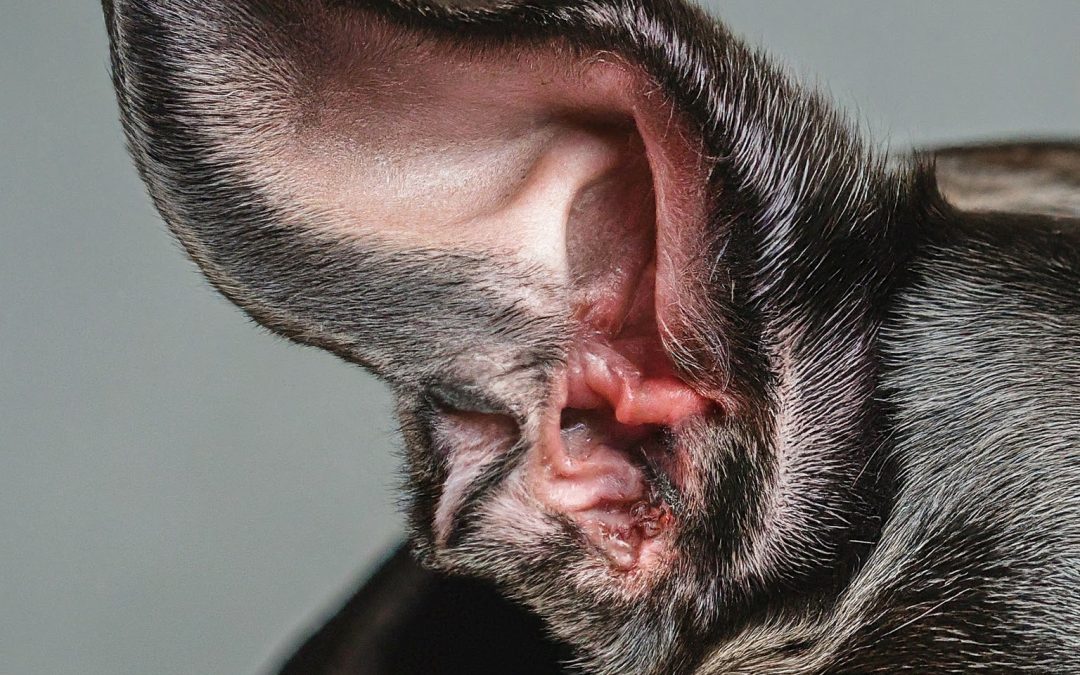
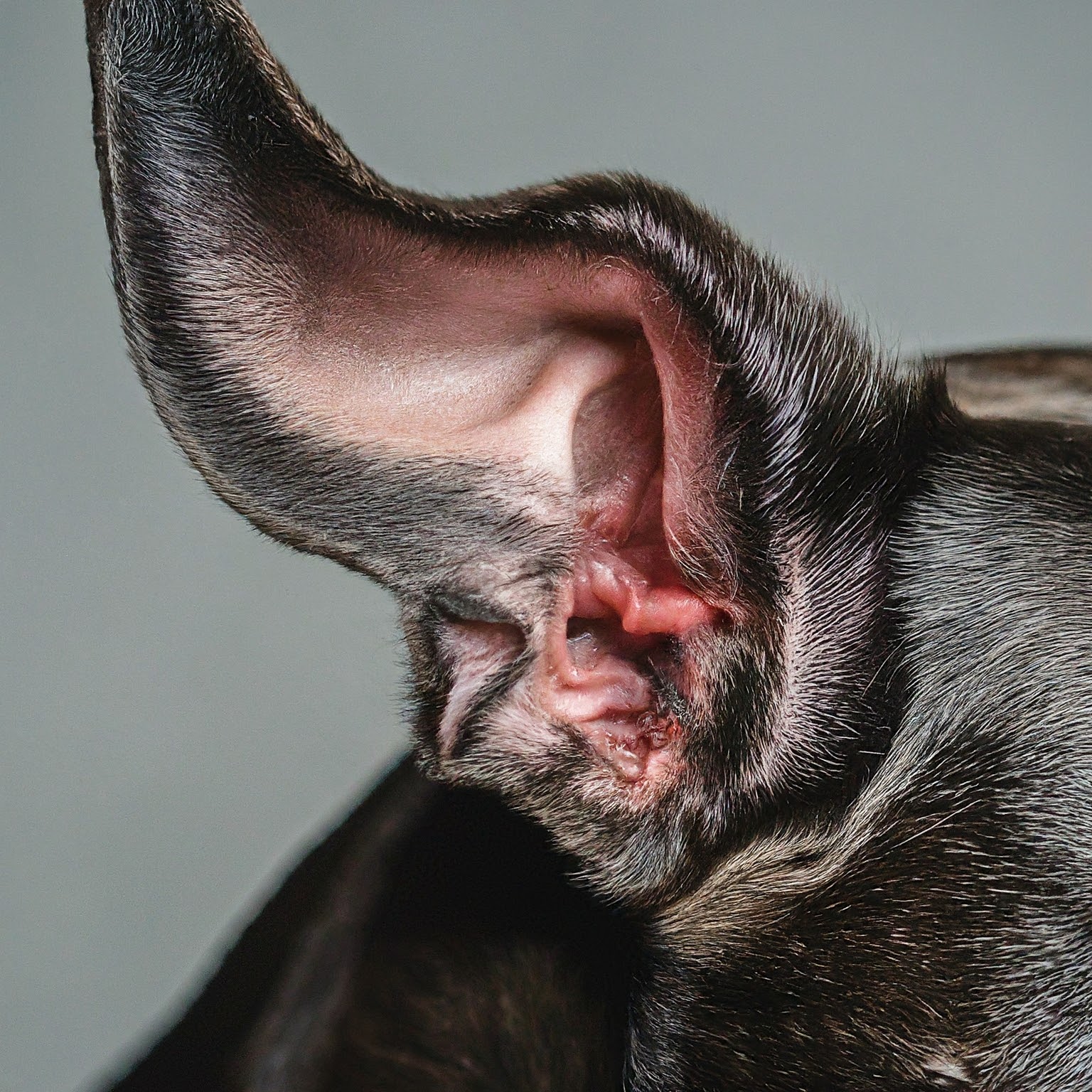
Does your dog constantly paw at their ears, shaking their head like a maraca? You might be dealing with a common canine ear woe: Malassezia otitis. This inflammatory condition, caused by an overgrowth of yeast called Malassezia, can be a real drag for both you and your furry friend.

dog, pet, canine, blocked anal glands

Malassezia: Friend Turned Foe!

Malassezia is a type of yeast that normally lives in small numbers on a dog’s skin.  However, under certain circumstances, it can multiply uncontrollably, triggering inflammation and irritation in the ear canal. This is known as Malassezia otitis.


Environmental Culprits:

While Malassezia is the culprit,  environmental factors can create the perfect storm for an overgrowth:

Moisture: Damp, humid environments or frequent swimming can create a breeding ground for yeast.

Allergies: Dogs with allergies are more prone to Malassezia otitis, as allergies can irritate the skin and disrupt the normal balance of microorganisms.

Earwax Buildup: Excessive earwax can trap moisture and create a breeding ground for Malassezia.


Diet Plays a Role:

Believe it or not, what your dog eats can also influence Malassezia otitis.

Here’s how:

Food Allergies: Just like environmental allergies, food allergies can irritate the skin and contribute to yeast overgrowth.

Omega-3 and -6 Fatty Acids: These essential fatty acids play a vital role in skin health. A deficiency in omega-3 and -6 fatty acids can make your dog’s skin more susceptible to irritation and yeast overgrowth.


Signs and Symptoms:

If your dog has Malassezia otitis, you might notice:

  • Frequent head shaking
  • Pawing at the ears
  • Redness, swelling, or discharge from the ears
  • A foul odor coming from the ears


Treating the Root Cause:

Treating Malassezia otitis often involves a two-pronged approach:

Treating the Yeast Overgrowth: This can involve topical medications, ear cleaning solutions, and oral medications in severe cases.

Addressing the Underlying Cause: Identifying and addressing any environmental or dietary factors that might be contributing to the problem is crucial for long-term management.


Tips for Prevention:

Here’s how to help prevent Malassezia otitis in your dog:

Dry those ears! After swimming or bathing, thoroughly dry your dog’s ears with a clean cloth.

Manage allergies: If your dog has allergies, work with your veterinarian to develop a treatment plan.

Consider a diet change: Discuss with your veterinarian if a diet rich in omega-3 and -6 fatty acids might be beneficial.

Regular ear cleaning: Regularly clean your dog’s ears with a veterinarian-approved solution, especially if they are prone to ear infections.


Remember: Early diagnosis and treatment are key to managing Malassezia otitis effectively.  By addressing the underlying cause and implementing preventative measures, you can help your dog enjoy healthy, itch-free ears!


Disclaimer: This blog post is for informational purposes only and should not be a substitute for professional veterinary advice.  Always consult with your veterinarian for diagnosis and treatment of your dog’s ear problems.

Book an APPOINTMENT today!


Please email us at [email protected]

Our experienced team of veterinarians is here to help your pet feel their best.

(Diagnoses and treatment advice will not be given on email of WhatsApp)
Testimonials

From Our Visitors

Nulla quis lorem ut libero malesuada feugiat. Curabitur arcu erat, accumsan id imperdiet et, porttitor at sem. Vivamus magna justo, lacinia eget consectetur sed, convallis at tellus. Quisque velit nisi, pretium ut lacinia in, elementum id enim. Vivamus magna justo, lacinia eget consectetur sed, convallis at tellus. Mauris blandit eli
Champ

Nulla quis lorem ut libero malesuada feugiat. Curabitur arcu erat, accumsan id imperdiet et, porttitor at sem. Vivamus magna justo, lacinia eget consectetur sed, convallis at tellus. Quisque velit nisi, pretium ut lacinia in, elementum id enim. Vivamus magna justo, lacinia eget consectetur sed, convallis at tellus. Mauris blandit eli
Winnie

Scooting Blues: All About Anal Gland Impaction in Dogs

Scooting Blues: All About Anal Gland Impaction in Dogs

Scooting Blues: All About Anal Gland Impaction in Dogs


Let’s face it, no one enjoys talking about anal glands. But for our furry friends, impacted anal glands can be a real source of discomfort.  So, let’s shed some light on this smelly situation and explore ways to prevent it!

dog, pet, canine, blocked anal glands

Understanding Anal Glands:

However, sometimes the anal glands can become impacted, meaning the fluid gets thick and trapped inside. This can happen for several reasons:

Soft Stools: If your dog has diarrhea or consistently soft stools, there might not be enough pressure to express the anal glands naturally.

Breed Predisposition: Small breed dogs, like beagles and yorkies, seem to be more prone to anal gland impaction.

Allergies: Allergies can irritate the skin and anal glands, making them more susceptible to problems.

Obesity: Excess weight can make it difficult for the glands to express naturally.

Expression: A Short-Term Fix, Not a Long-Term Solution


While a veterinarian can manually express the glands to provide immediate relief,  regular expression isn’t  a long-term solution.  In fact, frequent expression can irritate the glands and make them more prone to future impaction.


Helping Your Pup Avoid Scooting:


The good news is there are steps you can take to help prevent anal gland impaction:

Dietary Fiber: A diet rich in fiber helps firm up stools, providing the necessary pressure for natural expression. Talk to your veterinarian about a fiber-rich food option for your dog.

Weight Management: Keeping your dog at a healthy weight can significantly reduce the risk of impaction.

Pumpkin Power: Adding cooked pumpkin to your dog’s food can be a natural way to promote healthy bowel movements and anal gland function.

Regular Grooming: Gently cleaning around the anus with a damp cloth during bath time can help remove any debris that might contribute to blockage.


Early Warning Signs:


If you notice your dog scooting on the ground, licking or biting at their rear end, or have a foul odor coming from the anal area, these might be signs of impaction.  Consult your veterinarian for a proper diagnosis and treatment plan.


Remember: By understanding anal gland function and taking preventative measures, you can help your dog avoid the discomfort of impaction and keep those happy trails wagging freely!

Book an APPOINTMENT today!


Please email us at [email protected]

Our experienced team of veterinarians is here to help your pet feel their best.

(Diagnoses and treatment advice will not be given on email of WhatsApp)
Testimonials

From Our Visitors

Nulla quis lorem ut libero malesuada feugiat. Curabitur arcu erat, accumsan id imperdiet et, porttitor at sem. Vivamus magna justo, lacinia eget consectetur sed, convallis at tellus. Quisque velit nisi, pretium ut lacinia in, elementum id enim. Vivamus magna justo, lacinia eget consectetur sed, convallis at tellus. Mauris blandit eli
Champ

Nulla quis lorem ut libero malesuada feugiat. Curabitur arcu erat, accumsan id imperdiet et, porttitor at sem. Vivamus magna justo, lacinia eget consectetur sed, convallis at tellus. Quisque velit nisi, pretium ut lacinia in, elementum id enim. Vivamus magna justo, lacinia eget consectetur sed, convallis at tellus. Mauris blandit eli
Winnie

Beyond Surgery and Euthanasia: Hope for Dachshunds with IVDD

Beyond Surgery and Euthanasia: Hope for Dachshunds with IVDD

Beyond Surgery and Euthanasia: Hope for Dachshunds with IVDD


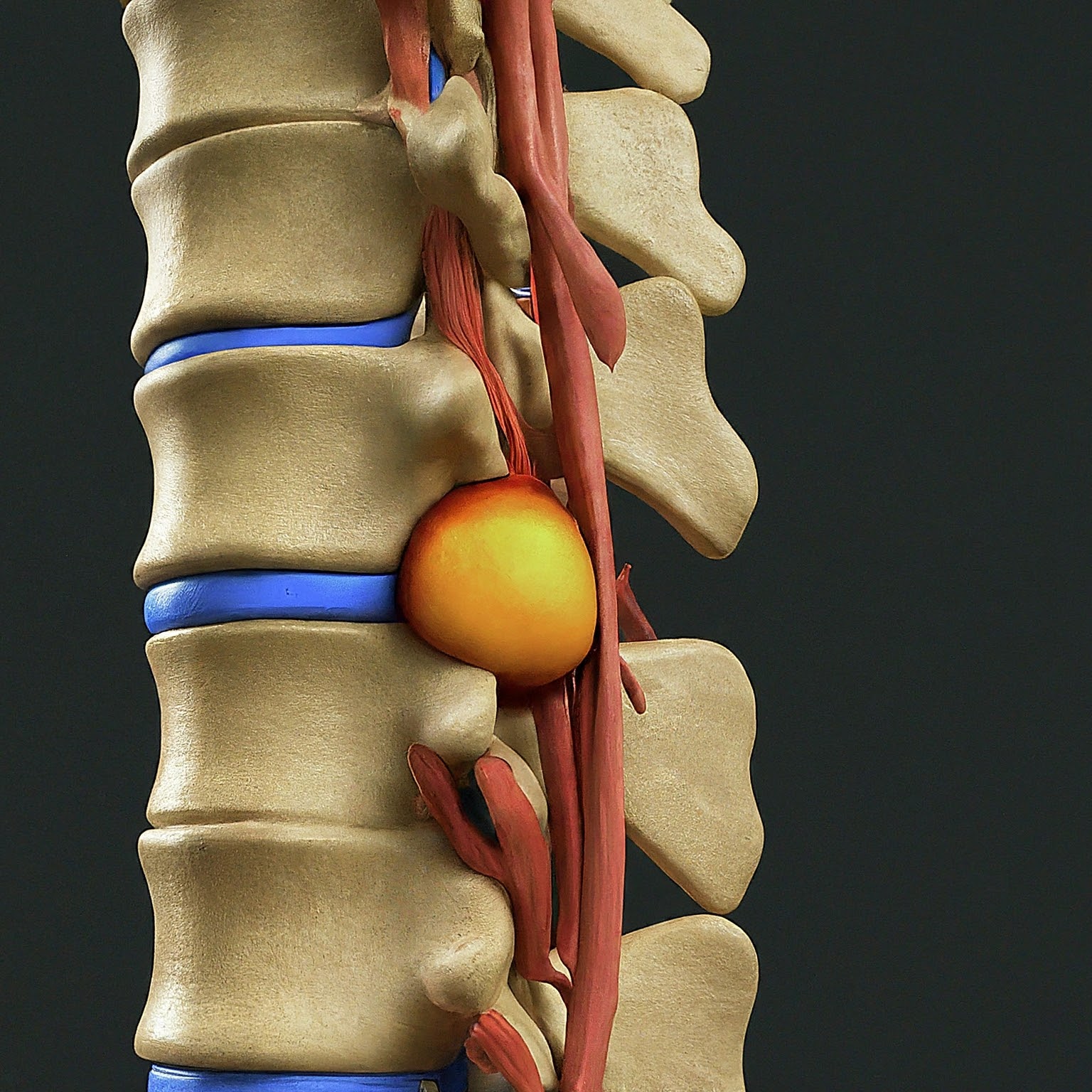
Intervertebral Disc Disease (IVDD), also known as disc prolapse, can be a frightening diagnosis for any dog owner, especially for those with long-bodied breeds like dachshunds.  Paralysis is a potential complication, leading many to believe surgery or euthanasia are the only options. Thankfully, there’s more to the story!

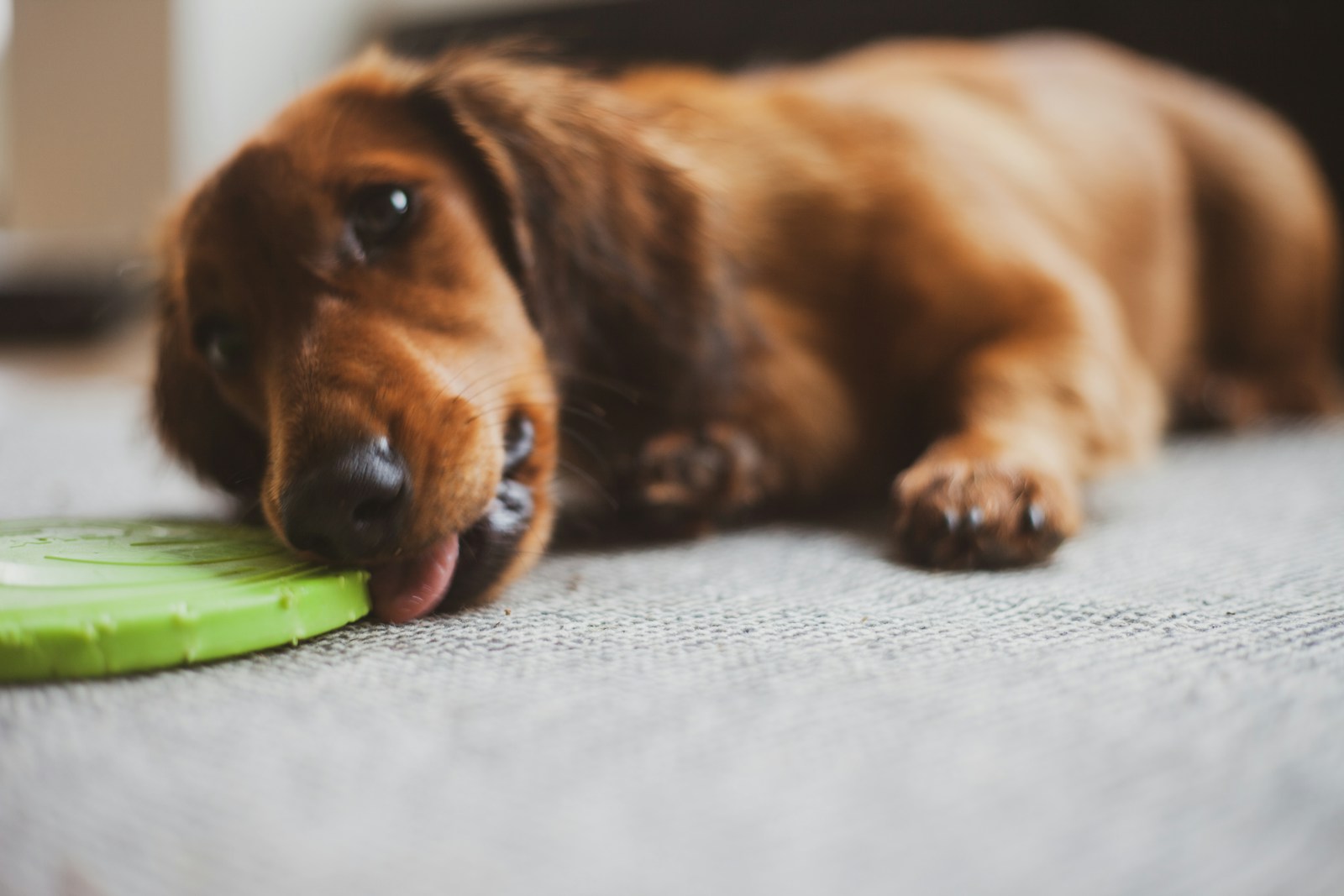
brown long coated dog lying on gray textile

Traditional Treatments:

Surgery is a life-saving option for severe IVDD cases, but it’s not always necessary and may have dire complications. Medication can manage pain and inflammation, while crate rest allows the disc to heal.

Emerging Options: Acupuncture and Physiotherapy

Recent research (Veterinary Neurologic Rehabilitation: The Rationale for a Comprehensive Approach, Laren R et al) suggests acupuncture and physiotherapy can be powerful allies in an IVDD treatment plan. 

Here’s how they can help your furry friend.

Acupuncture:  This traditional Chinese medicine technique involves inserting thin needles at specific points on the body. Studies have shown it can reduce pain: Acupuncture helps manage pain in dogs with IVDD, potentially reducing reliance on medication. Improve recovery (“Retrospective study of acupuncture treatment for canine thoracolumbar intervertebral disc herniation.”Qianju, J. One Health Advances 1.1 (2023) indicates acupuncture may accelerate recovery time in dogs with IVDD compared to those receiving only medication.

Physiotherapy:  A customized exercise program designed by a certified veterinary physiotherapist can maintain muscle strength and improve mobility


Combining Traditional and Emerging Therapies:

Acupuncture and physiotherapy can be used alongside traditional treatments to create a holistic approach. This comprehensive plan may offer several benefits:


  • Reduced need for medication: Acupuncture’s pain-relieving effects may decrease reliance on pain medication.
  • Improved quality of life: Even if full recovery isn’t possible, acupuncture and physiotherapy can help your dog maintain strength and mobility, leading to a better quality of life.
  • Faster recovery: Studies suggest acupuncture and physiotherapy may speed up recovery time.
brown long coated dog lying on gray textile


Consulting with a Veterinarian:

If your dachshund is diagnosed with IVDD, discuss all treatment options with your veterinarian. They can create a personalized plan that considers your dog’s specific needs and your comfort level. Remember, early intervention is crucial for the best outcome.


Hope Beyond Surgery:

IVDD can be a challenging diagnosis, but with proper treatment, many dachshunds can live happy, fulfilling lives. Explore all your options, and don’t hesitate to discuss acupuncture and physiotherapy with your veterinarian as it is seen as the most effective treatment in IVDD (THE MOST EFFECTIVE TREATMENT FOR CANINE INTERVERTEBRAL DISC DISEASE.

Kruisland, G. Diss. Florida Atlantic University, 2020). 


There is hope beyond surgery and euthanasia!

Book an APPOINTMENT today!


Please email us at [email protected]

Our experienced team of veterinarians is here to help your pet feel their best.

(Diagnoses and treatment advice will not be given on email of WhatsApp)
Testimonials

From Our Visitors

Nulla quis lorem ut libero malesuada feugiat. Curabitur arcu erat, accumsan id imperdiet et, porttitor at sem. Vivamus magna justo, lacinia eget consectetur sed, convallis at tellus. Quisque velit nisi, pretium ut lacinia in, elementum id enim. Vivamus magna justo, lacinia eget consectetur sed, convallis at tellus. Mauris blandit eli
Champ

Nulla quis lorem ut libero malesuada feugiat. Curabitur arcu erat, accumsan id imperdiet et, porttitor at sem. Vivamus magna justo, lacinia eget consectetur sed, convallis at tellus. Quisque velit nisi, pretium ut lacinia in, elementum id enim. Vivamus magna justo, lacinia eget consectetur sed, convallis at tellus. Mauris blandit eli
Winnie

Pet Parlour

Pet Parlour

Pet Parlour

Welcome to AnimalQi – Your Ultimate Pet Pampering Destination

Because your furry friend deserves all the best care, pamper your pet with the ultimate in luxury pet care.

Learn More

Frequently Asked Questions

Here at AnimalQi.co.za, we believe every pet deserves to be pampered like royalty. We are proud to introduce our exclusive Animal Qi Parlour – a dedicated grooming station within our vet’s consultation room where your dogs and cats can enjoy a unique, relaxing, and carefully tailored grooming experience.

Our Pet Care Services

At the Animal Qi Parlour, we offer a comprehensive range of services, all designed to enhance your pet’s overall well-being and appearance.

selective focus photography of dog lying on ground

Baths

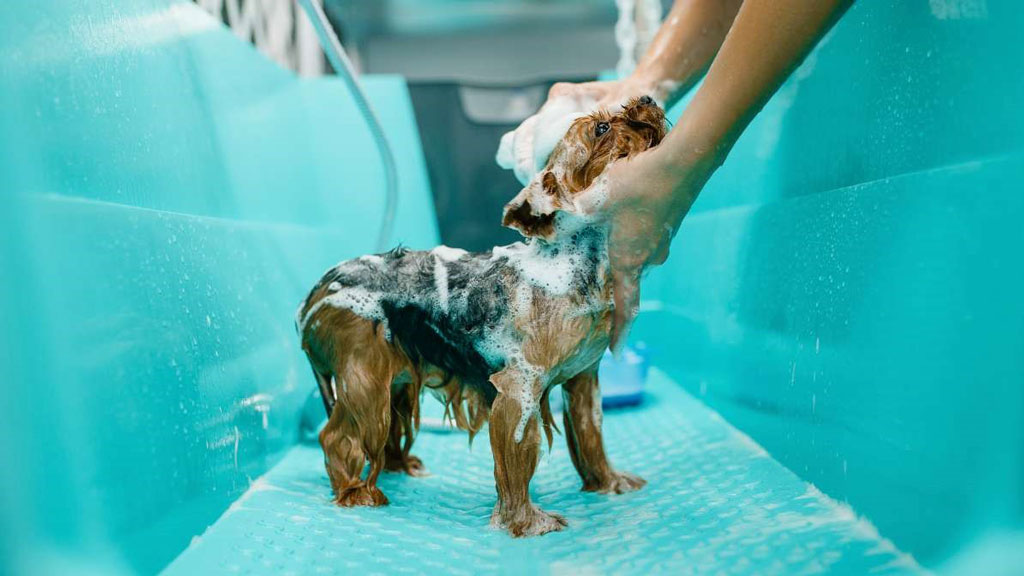
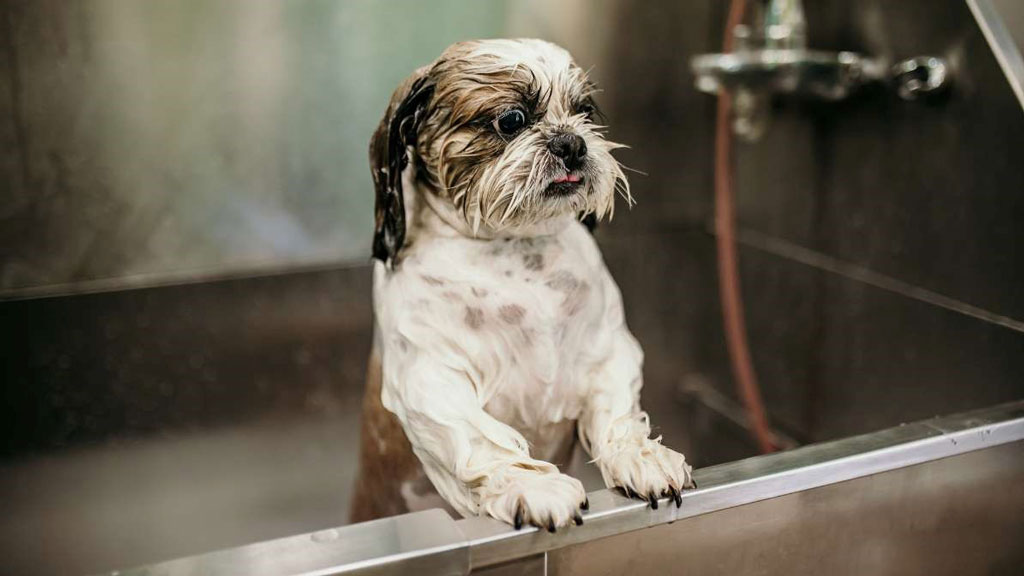
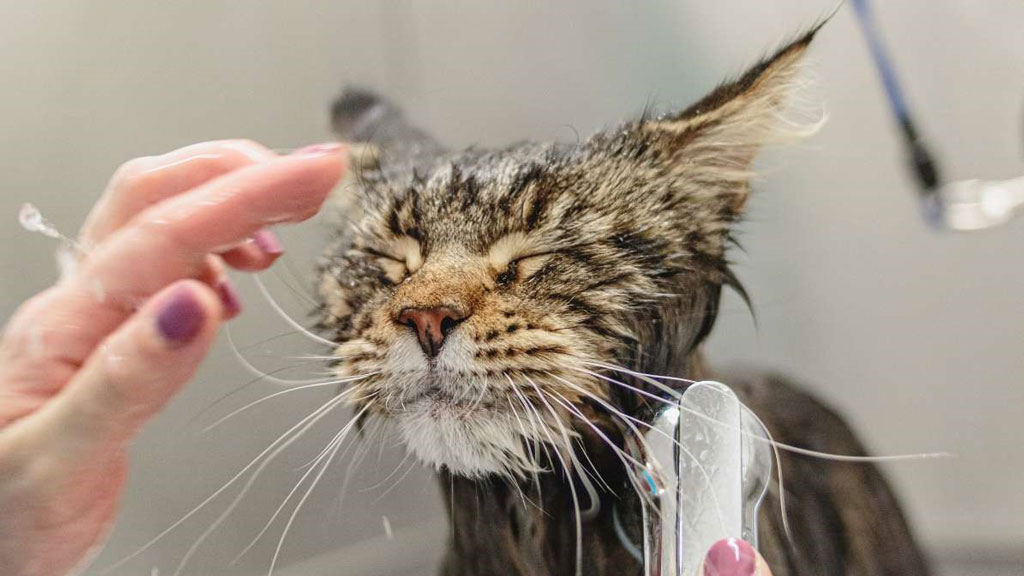
Our indulgent pet baths go beyond mere cleaning. We use high-quality, pet-friendly products to keep your pet’s skin and coat healthy, shiny, and smelling great.

Hair Trimming

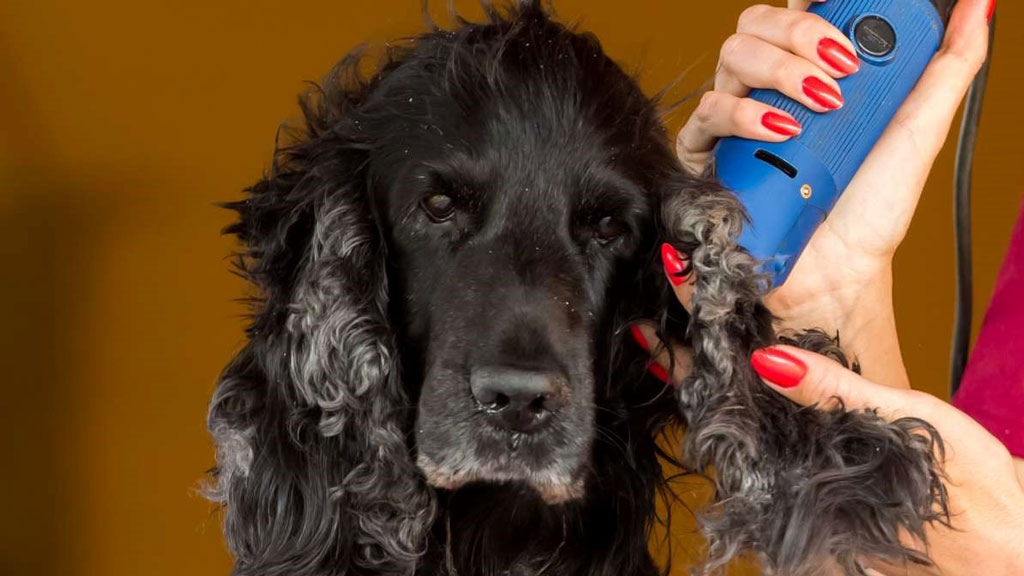
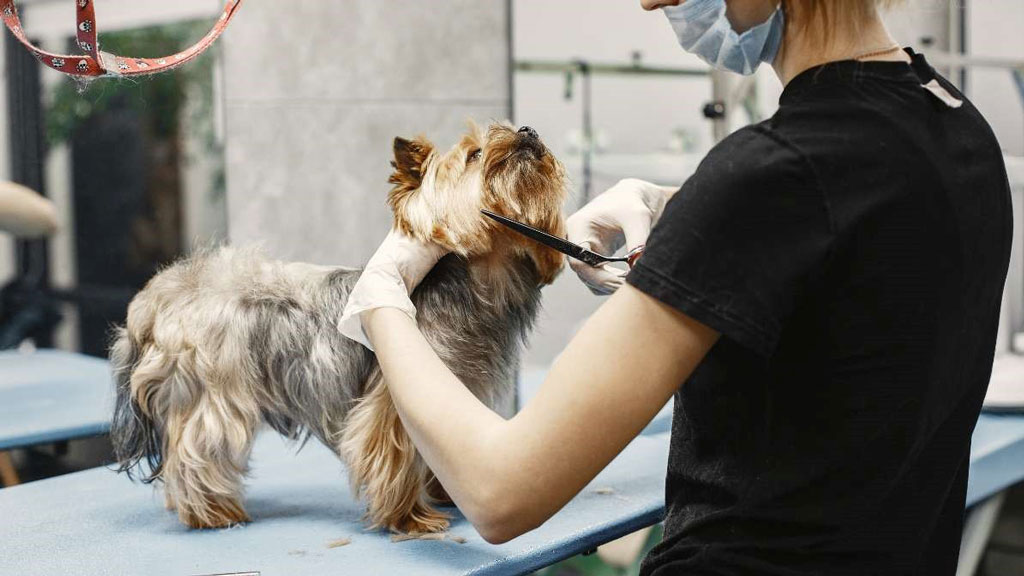
Whether it’s a full haircut or just a trim, we’re here to keep your pet looking stylish. We ensure a comfortable and safe grooming process tailored to your pet’s breed and personality.

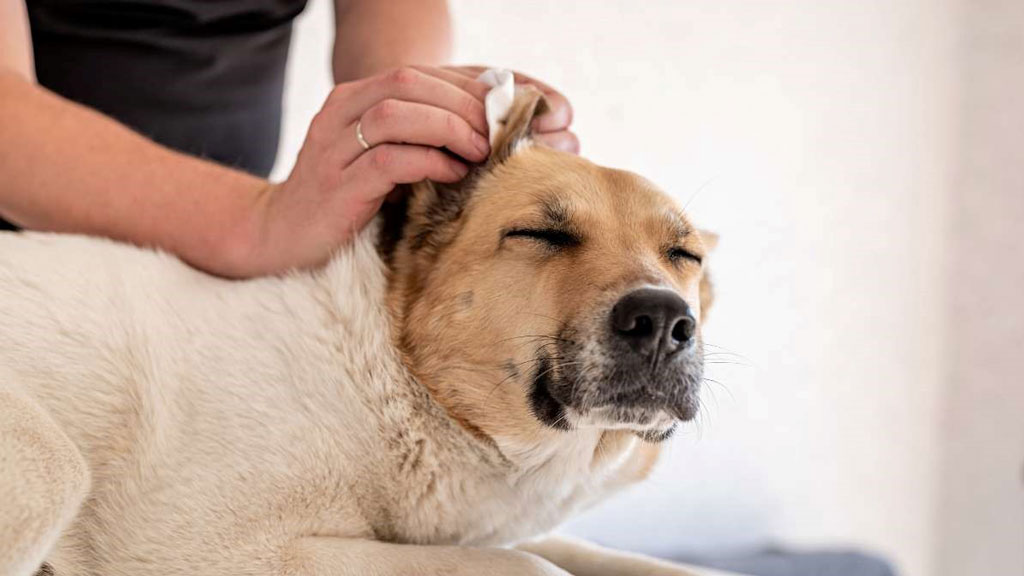
Ear Cleaning

Ear infections are common in pets, and regular ear cleaning is crucial to their health. Our professional groomers will gently and thoroughly clean your pet’s ears, reducing the risk of infections.

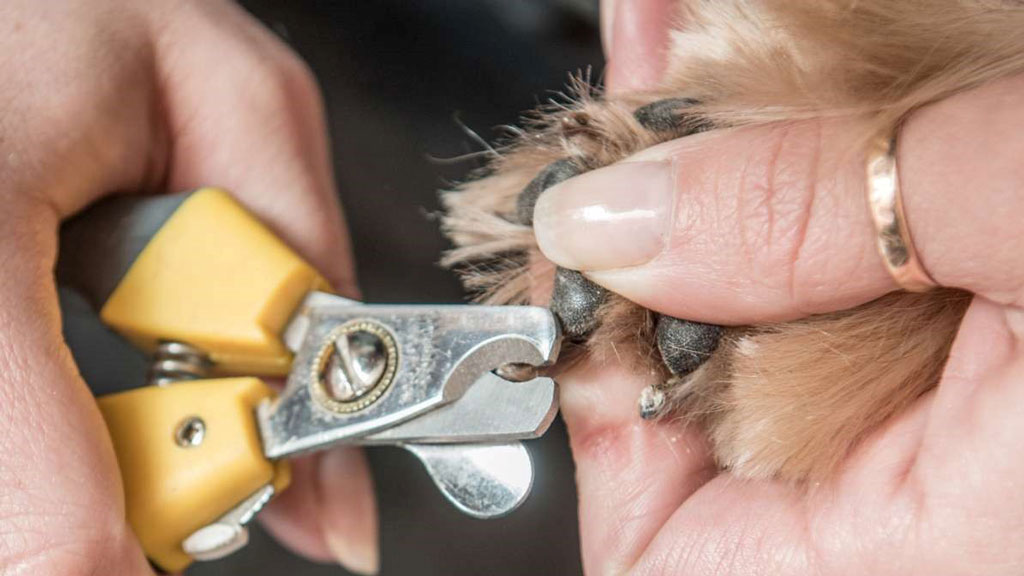
Nail Trimming

No more struggling at home with nail clippers. Let our experienced groomers handle this delicate task, ensuring your pet’s comfort throughout the process.

Why Choose Animal Qi’s Pet Care Services?

At Animal Qi, we’re passionate about providing exceptional care for your pets. Here’s what sets us apart:

Trusted Care

Your pet’s well-being is our highest priority. All grooming procedures are carried out in our vet’s consultation room, ensuring a clean, safe, and controlled environment.

Veterinary Supervision

We have a team of vets on standby, offering an added level of safety and comfort for your pet. Should any issues arise, rest assured knowing your pet will be in the best of hands.

Stress-free Experience

Our team is skilled in handling pets with care and patience, ensuring they feel relaxed and loved throughout their grooming session. We use calming techniques to make it a positive experience for your pet.

Tailored Services

We understand every pet is unique. We take the time to get to know your pet and design a grooming routine that meets their specific needs.

Book Today at AnimalQi? - We love them, we pamper them, because we're family!

Getting your pet ready for their pampering session is as easy as a call or message away. You can book an appointment with us in two simple ways:

WhatsApp: Just send us a message on WhatsApp with your preferred date, time, and required service. Our team will confirm your booking as soon as possible.
Phone Call: Prefer a more traditional method? Simply give our office a call, and our friendly customer service team will help you schedule your pet’s pampering session. Call now at: +27 (0)14 941 1155

Remember, our team is always here to assist you, ensuring the booking process is as smooth and easy as possible.
Give your pet the grooming experience they deserve – a day at the Animal Qi Parlour will leave them feeling like the king or queen they truly are. Book an appointment today – because at AnimalQi, we’re all about ‘pawsitive’ experiences!

FAQ’s

Frequently Asked Questions

What health precautions do you take at Animal Qi Parlour?
Safety and hygiene are our top priorities. We maintain a clean and sterilized environment in our grooming area. Moreover, our services are conducted under veterinary supervision to ensure your pet’s health and well-being at all times.
Do I need to bring anything for my pet’s grooming appointment?
You just need to bring your pet. We have all the necessary grooming tools and pet-friendly products to provide an excellent grooming experience. However, if your pet has a specific product they are used to or prefer, feel free to bring it along.
What if my pet is anxious or nervous during grooming?
Our team is skilled in handling pets with a variety of temperaments. We use soothing techniques and take extra time, if necessary, to ensure your pet is comfortable and relaxed during their grooming session.
How long does a grooming session typically take?
The length of a grooming session depends on the services chosen and your pet’s size and breed. A typical session can range from 1 to 3 hours. We can provide a more precise estimate once you’ve selected the required services.
What if my pet has specific health issues or sensitivities?
Prior to the grooming session, we’ll ask you to share any health concerns or sensitivities your pet may have. Our team will ensure these are considered during the grooming process, and our veterinary team will be on standby should any issues arise.
How often should I have my pet groomed at Animal Qi Parlour?
The frequency of grooming largely depends on your pet’s breed, hair length, lifestyle, and personal preference. As a general guideline, grooming every 4-6 weeks helps to keep your pet’s skin and coat healthy.
How do I pay for the grooming service?
Payment is taken at the end of the grooming session. We accept various payment methods for your convenience: cash, debit/credit cards, and Electronic Funds Transfer (EFT). Please ensure that EFT payments are made prior to the grooming session or provide proof of payment on arrival.

Have more questions? Don’t hesitate to reach out to us via WhatsApp or a phone call. We’re here to help!

Testimonials

From Our Visitors

Nulla quis lorem ut libero malesuada feugiat. Curabitur arcu erat, accumsan id imperdiet et, porttitor at sem. Vivamus magna justo, lacinia eget consectetur sed, convallis at tellus. Quisque velit nisi, pretium ut lacinia in, elementum id enim. Vivamus magna justo, lacinia eget consectetur sed, convallis at tellus. Mauris blandit eli

Champ

Nulla quis lorem ut libero malesuada feugiat. Curabitur arcu erat, accumsan id imperdiet et, porttitor at sem. Vivamus magna justo, lacinia eget consectetur sed, convallis at tellus. Quisque velit nisi, pretium ut lacinia in, elementum id enim. Vivamus magna justo, lacinia eget consectetur sed, convallis at tellus. Mauris blandit eli

Winnie