

5 Integrative Fixes for Itchy Skin & Gut Issues in Dogs & Cats

5 Integrative Fixes for Itchy Skin & Gut Issues in Dogs & Cats

5 Integrative Fixes for Itchy Pets

Is your dog or cat constantly scratching, licking their paws, or struggling with ongoing skin and tummy issues?

You’re not alone, and the good news is, these problems often start from within.

This practical guide explores the powerful connection between your pet’s gut health and skin condition, and provides simple, natural ways to support both for long-term relief.

What You’ll Learn:

  • Why gut health plays a key role in skin issues
  • Common causes of itching and digestive problems
  • 5 natural, vet-informed solutions to support your pet’s health:
    • Balanced, anti-inflammatory nutrition
    • Probiotics for gut repair
    • Skin barrier support
    • Environmental and lifestyle changes
    • Gentle integrative therapies

Many pets show noticeable improvement within just a few weeks when these steps are applied consistently.

Download the full guide below to get step-by-step instructions and detailed checklists to help your pet feel better naturally.

Testimonials

From Our Visitors

Nulla quis lorem ut libero malesuada feugiat. Curabitur arcu erat, accumsan id imperdiet et, porttitor at sem. Vivamus magna justo, lacinia eget consectetur sed, convallis at tellus. Quisque velit nisi, pretium ut lacinia in, elementum id enim. Vivamus magna justo, lacinia eget consectetur sed, convallis at tellus. Mauris blandit eli

Champ

Nulla quis lorem ut libero malesuada feugiat. Curabitur arcu erat, accumsan id imperdiet et, porttitor at sem. Vivamus magna justo, lacinia eget consectetur sed, convallis at tellus. Quisque velit nisi, pretium ut lacinia in, elementum id enim. Vivamus magna justo, lacinia eget consectetur sed, convallis at tellus. Mauris blandit eli
Winnie

Understanding Quality of Life in Palliative and Terminally Ill Pets

Understanding Quality of Life in Palliative and Terminally Ill Pets

Understanding Quality of Life in Palliative and Terminally Ill Pets

Based on the teachings of Dr. Huisheng Xie and Veterinary Palliative Care Guidelines

Introduction

Caring for a beloved animal with a terminal or chronic illness is one of the most emotionally complex responsibilities a pet owner can face. As a caregiver, it’s natural to wonder:

“Is my pet still enjoying life?”
“How do I know when it’s time to say goodbye?”

This guide outlines criteria to assess your pet’s Quality of Life (QOL), based on Dr. Huisheng Xie’s integrative veterinary approach. These tools aim to support you and your veterinary team in making compassionate and informed decisions.

What is Quality of Life?

Quality of Life refers to your pet’s comfort, enjoyment, and ability to engage in normal behaviors. When a pet is no longer thriving—physically, emotionally, or socially—it’s important to reassess their care plan, including the possibility of palliative interventions or euthanasia.

Dr. Xie’s Quality of Life Assessment Criteria

Dr. Xie’s integrative QOL approach includes both Western and Traditional Chinese Veterinary Medicine perspectives. It focuses on evaluating several key areas:

  1. Pain Management
    • Is your pet in pain that cannot be controlled with medication, acupuncture, or other therapies?
    • Pain can manifest as panting, vocalizing, restlessness, aggression, or hiding.
  2. Appetite
    • Is your pet willing or able to eat?
    • A consistent refusal of food or only eating when force-fed is a concern.
  3. Hydration
    • Is your pet drinking enough water?
    • Dehydration can lead to fatigue, dry gums, and organ strain.
  4. Mobility
    • Can your pet walk, get up to urinate, or change positions without distress?
    • Immobility often leads to pressure sores and decreased dignity.
  5. Hygiene & Grooming
    • Is your pet able to stay clean and dry?
    • Incontinence and poor grooming habits may indicate declining wellness.
  6. Happiness & Emotional Wellbeing
    • Does your pet respond to affection or engage with family?
    • Depression, withdrawal, and anxiety suggest reduced mental QOL.
  7. Daily Function ? Normal Behavior
    • Is your pet still able to participate in activities they used to enjoy?
    • Sudden personality changes or isolation can be signs of discomfort.
  8. Breathing
    • Is breathing labored or distressed?
    • Shortness of breath is a medical emergency and a major QOL factor.


Quality of Life Scoring System

You can use the Quality of Life Scale (Modified from Dr. Xie’s criteria) to track your pet’s condition over time:

Use the questions below to complete the table.

Life Activity Score

0 (very poor) to 100 (excellent)

Life Activity Score 0 to 100
  a. Mental status  
  b. General activity level  
  c. Appetite  
  d. Defection  
  e. Urination  
  f. Overall well-being  
  Life activity score Subtotal (a to f)  
Pain Score Amount of pain 0 (no pain) to 100 (severe pain)  
Life Quality Score Life activity score minus (pain score x2)  

A. Mental Status (0-100)

Q1: How alert and responsive is your pet today?

  • Completely unresponsive, vacant stare – 0
  • Dull, minimally responsive even to familiar sounds – 25
  • Occasionally alert, responsive to voice/touch – 60
  • Bright, interested, seeks interaction – 100

B. General Activity Level (0-100)

Q2: How active is your pet compared to its usual behavior?

  • No movement unless forced, lies still all day – 0
  • Only moves for bathroom needs or food with difficulty – 30
  • Moves about house, limited play – 60
  • Walks, explores, plays, normal activity – 100

    C. Appetite (0-100)

    Q3: How is your pet eating today?

    • No interest in food or water – 0
    • Only eats treats or needs hand-feeding – 30
    • Eats smaller portions than usual, skips meals – 60
    • Normal appetite, eats readily – 100

    D. Defecation (0-100)

    Q4: How are your pet’s bowel movements?

    • No control over defecation or painful straining, severe diarrhea – 0
    • Irregular or very hard stools, or constant diahrhea, occasional discomfort – 30
    • Regular, but with some mild changes in consistency – 60
    • Normal frequency and consistency – 100

    E. Urination (0-100)

    Q5: How is your pet’s urination?

    • Not urinating or extreme straining/pain or no bladder control – 0
    • Urinates with difficulty or leakage – 30
    • Less frequent or mild straining – 60
    • Normal urination habits – 100

    F. Overall Well-Being (0-100)

    Q6: How does your pet seem overall in terms of happiness or contentment?

    • Appears miserable, withdrawn, no interest – 0
    • Some interaction, often hides, whines or seems sad – 30
    • Has good and bad moments, occasionally playful – 60
    • Appears content, alert, and comfortable – 100

      Pain Score (0-200)

      Q7: How much pain do you believe your pet is in?

      • No signs of pain, relaxed posture, normal behaviours – 0
      • Mild pain signs (occasional limping, reluctant to jump) – 50
      • Noticeable pain (panting, whining, limping, restlessness) – 100
      • Severe pain (constant vocalization, aggression, won’t move) – 200

          Table 2 Application of life Quality Score

          Life Quality Score Quality of Life
          > 500 Excellent
          400 – 500 Good
          300 – 399 Moderate
          100 – 200 Poor
          <100 Dismal, consider euthanasia

          When it is Time to Say Goodbye?

          Dr. Xie emphasizes compassionate care and dignity as guiding principles. If your pet is suffering despite best efforts and interventions, and their QOL score is consistently below 50, it may be time to consider humane euthanasia. This final act of kindness allows them to pass peacefully, without prolonged distress.

          Final Thoughts

          This journey can be incredibly emotional, but you are not alone. Our veterinary team is here to support you in navigating this time with empathy, clarity, and care.

          📞 If you’d like assistance in completing the QOL assessment, please contact us for a guided consultation.

          Book an APPOINTMENT today!


          Please email us at [email protected]

          Our experienced team of veterinarians is here to help your pet feel their best.

          (Diagnoses and treatment advice will not be given on email or WhatsApp)

          Testimonials

          From Our Visitors

          Nulla quis lorem ut libero malesuada feugiat. Curabitur arcu erat, accumsan id imperdiet et, porttitor at sem. Vivamus magna justo, lacinia eget consectetur sed, convallis at tellus. Quisque velit nisi, pretium ut lacinia in, elementum id enim. Vivamus magna justo, lacinia eget consectetur sed, convallis at tellus. Mauris blandit eli

          Champ

          Nulla quis lorem ut libero malesuada feugiat. Curabitur arcu erat, accumsan id imperdiet et, porttitor at sem. Vivamus magna justo, lacinia eget consectetur sed, convallis at tellus. Quisque velit nisi, pretium ut lacinia in, elementum id enim. Vivamus magna justo, lacinia eget consectetur sed, convallis at tellus. Mauris blandit eli

          Winnie

          Understanding Epilepsy in Pets

          Understanding Epilepsy in Pets

          Understanding Epilepsy in Pets: Causes, Symptoms, and Care.

          Epilepsy is a condition that affects not only humans but also our beloved pets. Seeing your furry friend experience a seizure can be distressing, but understanding the causes, symptoms, and management options can help you provide the care they need. This guide aims to shed light on epilepsy in pets and empower you to make informed decisions for your companion’s health.

          What is Epilepsy in Pets?

          Epilepsy is a neurological disorder characterized by recurrent, unprovoked seizures. A seizure occurs when there is abnormal electrical activity in the brain, causing temporary, involuntary changes in behavior, movement, or consciousness. While epilepsy is often manageable, it requires proper diagnosis and treatment to ensure your pet’s well-being.

          What Causes Epilepsy in Pets?

          The causes of epilepsy can vary widely, ranging from genetic predispositions to environmental factors. Below are the primary categories of causes:

          1. Intracranial Causes

          • Idiopathic Epilepsy: This is the most common type of epilepsy in pets and is often hereditary. It is diagnosed when no structural or metabolic cause can be identified.
          • Brain Tumors: Growths within the brain can disrupt normal neurological function, leading to seizures.
          • Inflammatory Brain Diseases: Conditions such as meningitis, encephalitis, or granulomatous meningoencephalitis (GME) can trigger seizures by causing inflammation in the brain.

          2. Extracranial Causes

          • Toxins: Exposure to harmful substances like xylitol (found in sugar-free gum), chocolate, pesticides, or certain medications can provoke seizures.
          • Metabolic Disorders: Low blood sugar (hypoglycemia), liver disease, kidney failure, or electrolyte imbalances can contribute to seizure activity.
          • Head Trauma: Past injuries to the head can cause lasting damage that leads to seizures.
          • Infections: Systemic infections, such as canine distemper or toxoplasmosis, may also cause neurological symptoms, including seizures.

          Recognizing the Symptoms of Epilepsy

          Seizures can present in various ways, depending on their severity and type. Common signs include:

          • Sudden collapse or falling over.
          • Jerking or twitching movements of the limbs.
          • Stiffening of the body.
          • Loss of consciousness.
          • Excessive drooling, foaming at the mouth, or chomping.
          • Paddling movements with the legs.
          • Loss of bladder or bowel control.

          Some pets may exhibit warning signs before a seizure, such as restlessness, whining, or clinginess.

          What to Do During a Seizure

          Witnessing a seizure can be frightening, but your calmness can make a difference. Here are steps to follow:

          1. Stay Calm: Panicking can make the situation worse for both you and your pet.
          2. Ensure Safety: Move furniture or objects away to prevent injury. Avoid placing your hands near your pet’s mouth to prevent accidental bites.
          3. Time the Seizure: Note how long the seizure lasts. Seizures lasting longer than 5 minutes (status epilepticus) require immediate veterinary care.
          4. Provide Comfort: Keep the environment quiet and dimly lit to help your pet recover.

          Diagnosing Epilepsy in Pets

          If your pet experiences a seizure, schedule a veterinary visit as soon as possible. Your veterinarian will perform a thorough evaluation, which may include:

          • A detailed medical history.
          • Physical and neurological exams.
          • Blood tests to rule out metabolic disorders.
          • Advanced imaging, such as MRI or CT scans, to detect structural abnormalities.
          • Cerebrospinal fluid (CSF) analysis to identify inflammation or infections.


          Treatment and Management Options

          While epilepsy cannot always be cured, it can often be managed effectively. Treatment options include:

          1. Medication

          Anti-seizure medications, such as phenobarbital, potassium bromide, or newer drugs like levetiracetam, can help control seizures. Your veterinarian will determine the best medication and dosage for your pet based on their condition and response to treatment.

          1. Lifestyle Adjustments
          • Avoid Triggers: Identify and minimize potential seizure triggers, such as stress, flashing lights, or specific foods.
          • Regular Check-Ups: Routine veterinary visits are essential to monitor your pet’s condition and adjust treatment as needed.
          • Consistent Schedule: Keeping a stable daily routine can help reduce stress and improve overall well-being.
          1. Emergency Care

          In severe cases, such as status epilepticus or cluster seizures, your pet may require hospitalization and emergency intervention. Intravenous medications and supportive care can stabilize their condition.

          Living with a Pet with Epilepsy

          Caring for a pet with epilepsy can be challenging, but with the right approach, they can lead a happy and fulfilling life. Here are some tips:

          • Keep a Seizure Log: Document the date, time, duration, and any potential triggers for each seizure. This information is invaluable for your veterinarian.
          • Educate Yourself: Learn as much as you can about epilepsy to feel confident in managing your pet’s condition.
          • Join a Support Network: Connect with other pet parents dealing with epilepsy to share experiences and advice.

          When to Contact a Veterinarian

          Seek immediate veterinary attention if:

          • A seizure lasts longer than 5 minutes.
          • Seizures occur in clusters (multiple within 24 hours).
          • Your pet shows prolonged disorientation or unusual behavior after a seizure.
          • You notice new or worsening symptoms.

          We’re Here to Help

          At AnimalQi Veterinary Clinic, we understand how concerning epilepsy can be for pet owners. Our compassionate team is dedicated to providing expert care and guidance every step of the way. From diagnosis to treatment, we’re here to help your furry friend live their best life.

          📞 Contact us today to schedule an appointment or learn more about managing epilepsy in pets.

          Book an APPOINTMENT today!


          Please email us at [email protected]

          Our experienced team of veterinarians is here to help your pet feel their best.

          (Diagnoses and treatment advice will not be given on email or WhatsApp)

          Testimonials

          From Our Visitors

          Nulla quis lorem ut libero malesuada feugiat. Curabitur arcu erat, accumsan id imperdiet et, porttitor at sem. Vivamus magna justo, lacinia eget consectetur sed, convallis at tellus. Quisque velit nisi, pretium ut lacinia in, elementum id enim. Vivamus magna justo, lacinia eget consectetur sed, convallis at tellus. Mauris blandit eli

          Champ

          Nulla quis lorem ut libero malesuada feugiat. Curabitur arcu erat, accumsan id imperdiet et, porttitor at sem. Vivamus magna justo, lacinia eget consectetur sed, convallis at tellus. Quisque velit nisi, pretium ut lacinia in, elementum id enim. Vivamus magna justo, lacinia eget consectetur sed, convallis at tellus. Mauris blandit eli

          Winnie

          How to Keep Your Pet Calm and Safe During Festive Fireworks

          How to Keep Your Pet Calm and Safe During Festive Fireworks

          Keep Your Pet Calm and Safe During Festive Fireworks

          The festive season brings joy, celebration—and for many pets, the stress of fireworks. Fireworks can cause severe anxiety in pets due to their sensitive hearing and instinctual fear of loud noises. AnimalQi’s “Festive Comfort for Pets” campaign provides essential tips and strategies to keep your furry friends calm, safe, and comfortable during fireworks displays.

          yellow and red fireworks

          Why Are Fireworks So Scary for Pets?

          Many pets, particularly dogs and cats, experience extreme anxiety during fireworks. The loud, sudden noises, bright lights, and vibrations overwhelm their senses, often causing behaviors like shaking, hiding, drooling, and attempting to escape. Understanding the root of this anxiety can help you prepare and create a safe, calm environment for them.

          Preparation is Key: With a little planning, we can help our pets feel more secure during fireworks season. Follow these tips to keep your pet calm and safe.

          Create a Calm Environment Indoors

          Setting up a designated safe space in your home can go a long way toward helping your pet cope with fireworks. Here’s how to make their environment as calming as possible: 

          • Set Up a Safe Haven: Choose a quiet, enclosed room where your pet feels safe. Place familiar items like their bed, blankets, or favorite toys to comfort them. A room without windows, such as a bathroom, can help block out noise.
          • Use Background Noise: Playing calm music or turning on the TV can help muffle the sound of fireworks. Background noise acts as a buffer, helping to reduce the impact of loud bangs.
          • Comforting Scents: Try pet-safe calming sprays or diffusers with pheromones to create a relaxing atmosphere. These can help your pet feel more at ease during stressful moments.


          Prepare with Pre-Event Activities

          A few activities before fireworks start can make a big difference in helping your pet remain calm:

          • Pre-Fireworks Exercise: A longer-than-usual walk or active play session earlier in the day helps your dog release excess energy, making them more relaxed by the evening.
          • Feed Before Fireworks Start: A full meal in the early evening can help your pet feel relaxed and satisfied. Be sure to provide fresh water, as they may become thirsty if they pant due to anxiety.
          • Engage in Playtime: Play with toys or engage in games that provide mental stimulation, helping reduce stress levels so they feel calmer when the fireworks begin.


          Try Calming Products and Techniques

          For pets who experience extreme anxiety, consider these calming aids:

          • Natural Calming Remedies: Pet-safe treats or supplements with chamomile or valerian root can help ease stress. Consult your vet for guidance on safe and effective options.
          • Swaddling and Calming Jackets: Specialty jackets or wraps apply gentle pressure, similar to a comforting hug, which many pets find calming. You can also wrap them in a soft blanket for added comfort.
          • Pet Music Apps: Some apps play soothing sounds or relaxing music specifically designed to calm pets. Try one out to provide extra comfort.


          Keep Them Secure – Safety Tips for Fireworks Night

          Fireworks can cause pets to panic, leading them to attempt escapes. Take these steps to keep them secure:

          • Secure All Exits: Make sure all doors, windows, and gates are closed and locked to prevent pets from escaping if they become frightened.
          • Check Pet Identification: Ensure your pet’s ID tag and microchip information are current. This will help in reuniting you with your pet if they do manage to escape.
          • Stay Nearby: If possible, stay with your pet during fireworks. Your presence provides comfort and reassurance.


          Comfort and Reassurance

          Your calm and reassuring presence can have a big impact on your pet’s stress levels. Here are some final tips:

          • Stay Calm and Positive: Pets pick up on your emotions, so remaining calm and positive can help them feel secure. Give them gentle reassurance, but avoid excessive fussing that could reinforce their anxiety.
          • Maintain Routine: Keeping up with usual routines helps pets feel grounded and secure, even during unexpected events like fireworks.


          AnimalQi Wishes You a Happy and Safe Festive Season!

          With the right preparation, you can help your furry friends feel comfortable and secure during festive celebrations. A calm, relaxed pet is a happy pet!

          Book an APPOINTMENT today!


          Please email us at [email protected]

          Our experienced team of veterinarians is here to help your pet feel their best.

          (Diagnoses and treatment advice will not be given on email of WhatsApp)

          Testimonials

          From Our Visitors

          Nulla quis lorem ut libero malesuada feugiat. Curabitur arcu erat, accumsan id imperdiet et, porttitor at sem. Vivamus magna justo, lacinia eget consectetur sed, convallis at tellus. Quisque velit nisi, pretium ut lacinia in, elementum id enim. Vivamus magna justo, lacinia eget consectetur sed, convallis at tellus. Mauris blandit eli
          Champ

          Nulla quis lorem ut libero malesuada feugiat. Curabitur arcu erat, accumsan id imperdiet et, porttitor at sem. Vivamus magna justo, lacinia eget consectetur sed, convallis at tellus. Quisque velit nisi, pretium ut lacinia in, elementum id enim. Vivamus magna justo, lacinia eget consectetur sed, convallis at tellus. Mauris blandit eli
          Winnie

          Understanding Canine Parvovirus: Symptoms, Prevention, and Treatment

          Understanding Canine Parvovirus: Symptoms, Prevention, and Treatment

          What is Canine Parvovirus and How Does it Spread?

          What is Canine Parvovirus?

          Canine Parvovirus, often called Parvo, is a highly contagious and potentially fatal virus that primarily attacks a dog’s digestive system. Young puppies and unvaccinated dogs are most at risk, as the virus can cause severe dehydration and damage to the intestines, leading to life-threatening complications. The virus is resilient and can survive in the environment for months, making it a significant threat to unvaccinated dogs.

          How Does Parvovirus Spread?

          Parvo spreads through both direct and indirect contact. Dogs can catch it by coming into contact with infected dogs or contaminated surfaces. The virus is resilient and can live on common items like water bowls, leashes, floors, and even human hands and shoes. This makes it challenging to contain, especially in shared spaces like dog parks, boarding facilities, and grooming areas.

          Prevention Tip: Regular disinfection and avoiding exposure to infected areas can help, but vaccination is the best protection.

          The Importance of Vaccination

          Vaccination is the most effective way to protect against Parvovirus. Puppies usually start their vaccination series at around 6–8 weeks, with boosters until they reach 16–20 weeks. Maintaining an up-to-date vaccination schedule, even for adult dogs, is crucial, as it greatly reduces the risk of infection and can save your pet’s life.

          Recognizing the Symptoms of Parvovirus in Dogs

          Symptoms to Watch For

          Early detection is key when it comes to Parvo, as the virus can escalate within 24–48 hours. Initial signs include lethargy and a lack of appetite, but these quickly progress into severe symptoms, including:

          • Vomiting
          • Bloody diarrhea with a foul odor
          • Fever or sometimes a low body temperature
          • Rapid weight loss and dehydration

          If your dog, especially a young or unvaccinated one, displays any of these symptoms, it’s critical to seek veterinary care immediately. Parvo requires fast intervention, as it can become life-threatening within a short period.

          Survival and Treatment – The Road to Recovery

          Prognosis for Parvo

          With immediate veterinary care, the survival rate for Parvovirus can range between 68–92%. Treatment is intensive and often requires hospitalization, isolation, and specialized care. However, with timely intervention, many dogs can recover and go on to lead healthy lives.

          Intensive Care Treatment

          Treatment for Parvo includes a combination of supportive therapies aimed at stabilizing and helping the dog recover:

          • IV Fluids and Electrolytes: To combat severe dehydration and keep vital organs functioning.
          • Anti-nausea and Pain Relief: To help manage discomfort and vomiting.
          • Antibiotics: These are used to prevent secondary infections since Parvo can weaken the immune system.
          • Nutritional Support: Maintaining strength is essential for recovery, so dogs are given nutritional support as needed.

          Recovery usually takes a week or more of dedicated care in a veterinary hospital, making vaccination a far easier and more effective way to prevent Parvo.

          Take Action – Vaccinate for a Healthier Future

          Protect Your Pet

          Vaccination remains the most reliable defense against Canine Parvovirus. At AnimalQi, we provide Parvo vaccinations for both puppies and adult dogs. Ensuring your pet’s vaccination is up-to-date is essential for their long-term health and safety, particularly for highly contagious diseases like Parvo.

          Book Your Appointment Today

          Don’t wait—schedule a vaccination appointment with AnimalQi to protect your pet from Parvovirus and ensure they stay healthy. Prevention through vaccination is the best form of protection. Keep your furry friend safe, healthy, and happy this season.

          Emergency? Contact AnimalQi

          If you suspect your dog may have Parvo, contact AnimalQi’s emergency line at [Your Emergency Number] for immediate assistance. Our team is here to provide the care your pet needs, whether it’s for prevention or urgent treatment.

          AnimalQi – Your Partner in Pet Health

          Book an APPOINTMENT today!


          Please email us at [email protected]

          Our experienced team of veterinarians is here to help your pet feel their best.

          (Diagnoses and treatment advice will not be given on email of WhatsApp)

          Testimonials

          From Our Visitors

          Nulla quis lorem ut libero malesuada feugiat. Curabitur arcu erat, accumsan id imperdiet et, porttitor at sem. Vivamus magna justo, lacinia eget consectetur sed, convallis at tellus. Quisque velit nisi, pretium ut lacinia in, elementum id enim. Vivamus magna justo, lacinia eget consectetur sed, convallis at tellus. Mauris blandit eli

          Champ

          Nulla quis lorem ut libero malesuada feugiat. Curabitur arcu erat, accumsan id imperdiet et, porttitor at sem. Vivamus magna justo, lacinia eget consectetur sed, convallis at tellus. Quisque velit nisi, pretium ut lacinia in, elementum id enim. Vivamus magna justo, lacinia eget consectetur sed, convallis at tellus. Mauris blandit eli

          Winnie

          Keep Your Pets Safe this Holiday Season!

          Keep Your Pets Safe this Holiday Season!

          Holiday Safety for Happy Pets

          It is the Season…

          The holiday season is a time for celebration, but it also brings certain risks for our beloved pets. From festive foods to holiday gatherings, there are many potential hazards to be mindful of. To help pet owners keep their pets safe, happy, and healthy, we’ve compiled a comprehensive guide covering the main risks and practical tips for pet safety this season.

          chocolates with box on white surface

          Holiday Foods to Keep Away from Pets

          While we enjoy delicious holiday treats, some foods can be dangerous—even deadly—for our pets. Here are some holiday foods to keep out of reach:

          • Chocolate and Sweets: Chocolate contains theobromine, which is toxic to both dogs and cats. Sugar-free candies and treats containing xylitol can also cause severe poisoning.
          • Onions, Garlic, and Chives: Common in holiday dishes, these ingredients can damage pets’ red blood cells and lead to anemia.
          • Grapes and Raisins: Even small amounts can cause kidney failure in pets.
          • Alcohol: Curious pets may be tempted to taste, but even small amounts can lead to severe poisoning.

          Tip: Create a “pet-safe” snack zone filled with treats designed for their digestion so they don’t feel left out of the holiday cheer!

          person holding tray filled with grilled meat

          Beware the Braai – Bones and Leftovers Can Be Dangerous

          Many of us love a good holiday braai, but it’s important to avoid feeding pets leftovers, especially bones:

          • Chicken Bones: These can splinter easily and may cause choking or severe internal injuries.
          • Cooked Bones: Unlike raw bones, cooked bones are brittle and more likely to splinter, which can puncture the digestive tract.
          • High-Fat Meat Scraps: Fatty foods can lead to pancreatitis, a painful condition that may require emergency vet care.

          Tip: If your pet is begging, have some pet-safe treats ready. Stick to dog-friendly chews or treats that are safe for their digestion.

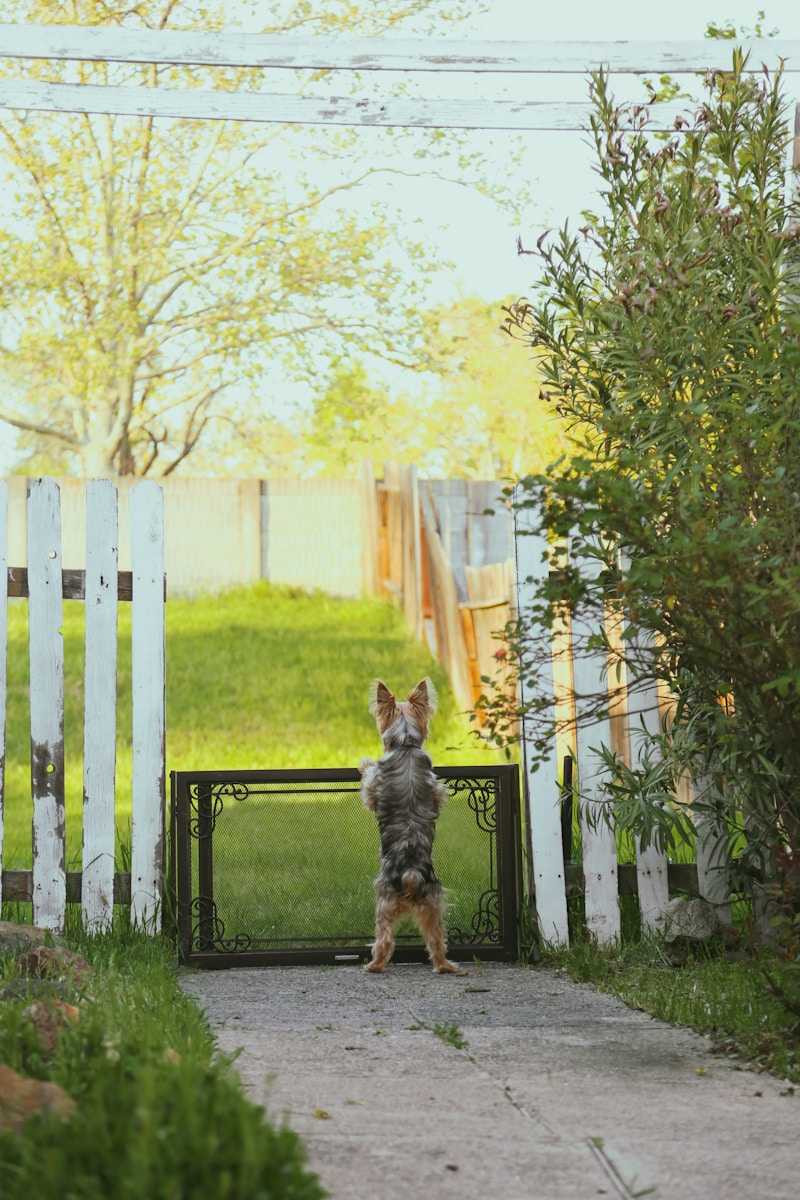
          a small dog standing on its hind legs in front of a gate

          Preventing Pet Escapes During Holiday Gatherings

          Holiday gatherings mean more people and more coming-and-going, increasing the risk of pet escapes. Here’s how to keep them safe:

          • Create a Safe Space: Set up a quiet room or area where your pet can relax away from the crowd.
          • Check ID and Microchip Info: Ensure your pet’s ID tag and microchip information are up-to-date.
          • Pool Safety: If you have a pool, make sure it’s pet-safe as pets might accidentally fall in, especially with lots of guests around.

          Tip: Remind guests to close doors and gates securely and not let pets roam around unfamiliar visitors.

          brown short coated dog wearing black and white backpack

          Preventing Pet Fights and Reducing Stress Around Other Animals

          Holiday gatherings may introduce your pets to new animals, which can be stressful and potentially lead to conflicts. Here’s how to keep them calm:

          • Introduce Slowly: Introduce new pets gradually and in a controlled environment.
          • Use a Leash if Necessary: Keeping pets on a leash allows you to manage interactions and avoid sudden confrontations.
          • Monitor Body Language: Watch for signs of stress like growling, raised fur, or avoidance behaviors. Separate pets if they seem uncomfortable.

          Tip: Provide plenty of water, toys, and a quiet place where your pet can retreat to relax. This helps reduce stress and minimizes the risk of fights.

          How do I apply this to practice?

          As a quick recap, here’s a holiday safety checklist to keep your furry friends safe and sound:

          Keep toxic holiday foods out of reach.

          Avoid feeding any bones or high-fat leftovers.

          Secure doors and gates to prevent escapes.

          Monitor pets around other animals to avoid fights.

          Create a “safe space” where your pet can relax away from the excitement.

          Happy Holidays from AnimalQi!

          Wishing you and your pets a joyful, safe holiday season. Let’s make this festive time something they can enjoy too!

          Book an APPOINTMENT today!


          Please email us at [email protected]

          Our experienced team of veterinarians is here to help your pet feel their best.

          (Diagnoses and treatment advice will not be given on email of WhatsApp)

          Testimonials

          From Our Visitors

          Nulla quis lorem ut libero malesuada feugiat. Curabitur arcu erat, accumsan id imperdiet et, porttitor at sem. Vivamus magna justo, lacinia eget consectetur sed, convallis at tellus. Quisque velit nisi, pretium ut lacinia in, elementum id enim. Vivamus magna justo, lacinia eget consectetur sed, convallis at tellus. Mauris blandit eli

          Champ

          Nulla quis lorem ut libero malesuada feugiat. Curabitur arcu erat, accumsan id imperdiet et, porttitor at sem. Vivamus magna justo, lacinia eget consectetur sed, convallis at tellus. Quisque velit nisi, pretium ut lacinia in, elementum id enim. Vivamus magna justo, lacinia eget consectetur sed, convallis at tellus. Mauris blandit eli
          Winnie